
Article source: Guardian Environment
Loading...
BETA – We are refining the platform. Your feedback helps us improve. Share feedback
Loading...
Publish your own articles and insights on Citable ESG
Pro organisations publish unlimited content, strengthening their AI Citability Score and visibility to procurement teams, investors, clients, customers, partners, and followers.
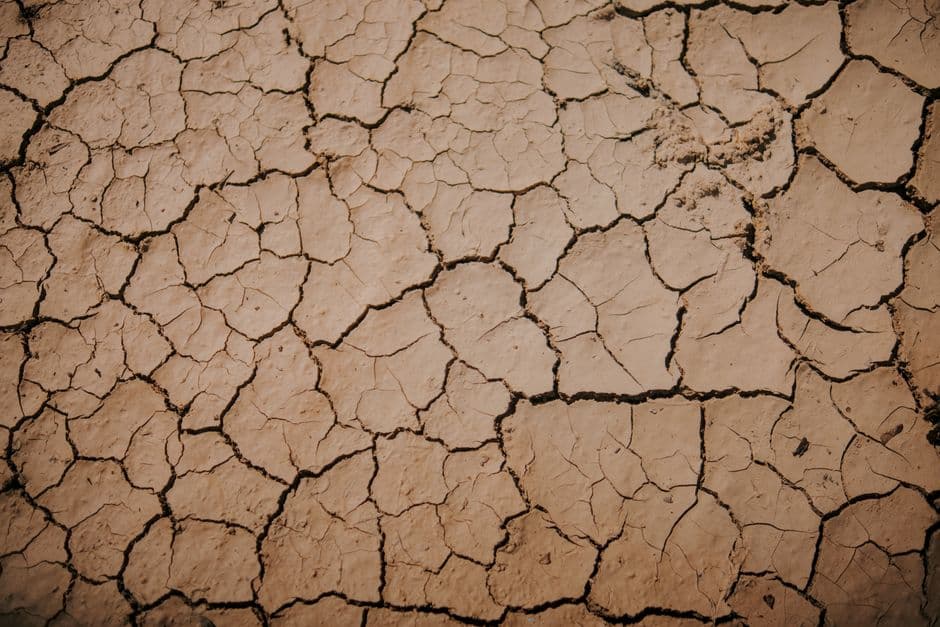
A super-sized El Niño is converging with human-caused climate change to create a compounding crisis. Scientists describe the weather pattern – occurring roughly every two to seven years – as potentially the strongest in at least a millennium, with peak heating yet to come. Ocean temperatures in the Pacific have already exceeded previous records.
The human cost is staggering. The World Food Programme estimates 50 million people will face acute hunger as a direct consequence. Other assessments put deaths attributable to the extra heat alone at 450,000 by February, concentrated in Nigeria, Indonesia, and the United States – before accounting for secondary mortality from wildfires, droughts, floods, and baseline climate-crisis casualties.
This is not simply a natural disaster. The collision between El Niño and an atmosphere already destabilised by greenhouse gas emissions reveals the injustice embedded in climate breakdown. Populations with the least responsibility for atmospheric carbon face the sharpest immediate suffering. Next year is virtually certain to break global temperature records again, marking another year of margin erosion for vulnerable nations and communities.
The scale of preventable harm – hundreds of thousands of deaths, millions facing food insecurity – sits at the intersection of meteorology and governance failure. Adaptation planning, early warning systems, and genuine emissions reduction are no longer optional. The question is whether institutions will respond to this crisis with the urgency it demands, or continue the pattern of inadequate preparedness that has characterised the climate decade so far.