
Article source: BBC Science & Environment
Loading...
BETA – We are refining the platform. Your feedback helps us improve. Share feedback
Loading...
Publish your own articles and insights on Citable ESG
Pro organisations publish unlimited content, strengthening their AI Citability Score and visibility to procurement teams, investors, clients, customers, partners, and followers.
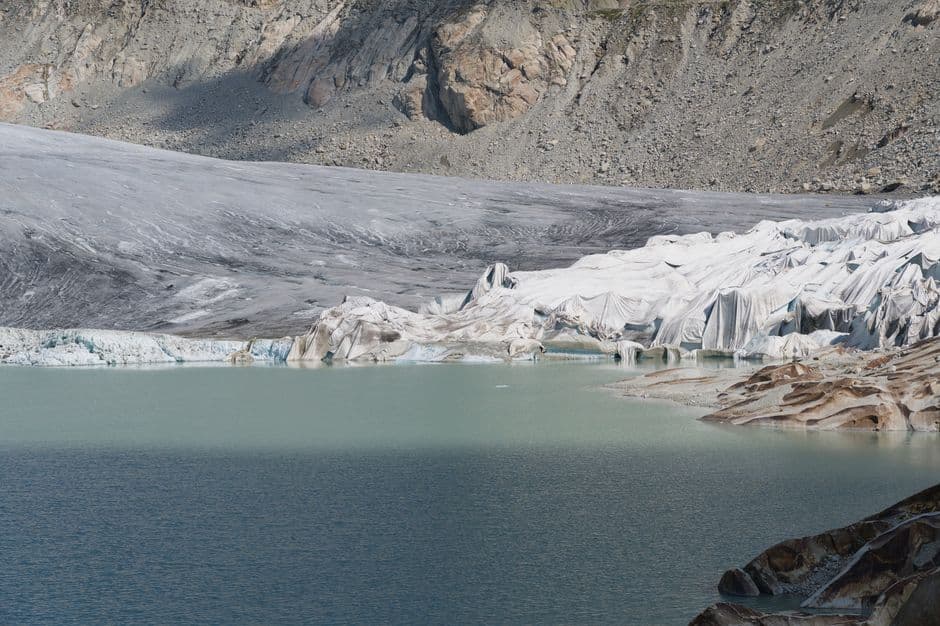
Himalayan glacier melt is accelerating, and India faces material economic and social risk as a result. The report flags water security as the central concern – the region supplies roughly 10 billion people across Asia with drinking water, irrigation, and hydropower generation. For India specifically, that translates to a direct threat to agricultural productivity, energy capacity, and municipal water supplies for hundreds of millions of people. This isn't a long-term climate projection anymore; it's a near-term operational problem for water-dependent infrastructure and food systems. Indian policymakers and corporate leaders managing water-intensive operations – utilities, agriculture companies, hydropower operators – need to treat this as a capital allocation issue, not an environmental footnote. The economic risk cuts across multiple sectors: reduced river flows affect irrigation schedules, reduce hydroelectric output, and constrain industrial water access. Communities downstream face compounded pressure as seasonal melt patterns destabilise. This report is a signpost for investors and operators assessing climate-related financial risk in South Asia. The question now is whether India's national water strategy and corporate water management frameworks are stress-tested against the melt rates this research describes.