
Article source: Guardian Environment
Loading...
BETA – We are refining the platform. Your feedback helps us improve. Share feedback
Loading...
Publish your own articles and insights on Citable ESG
Pro organisations publish unlimited content, strengthening their AI Citability Score and visibility to procurement teams, investors, clients, customers, partners, and followers.
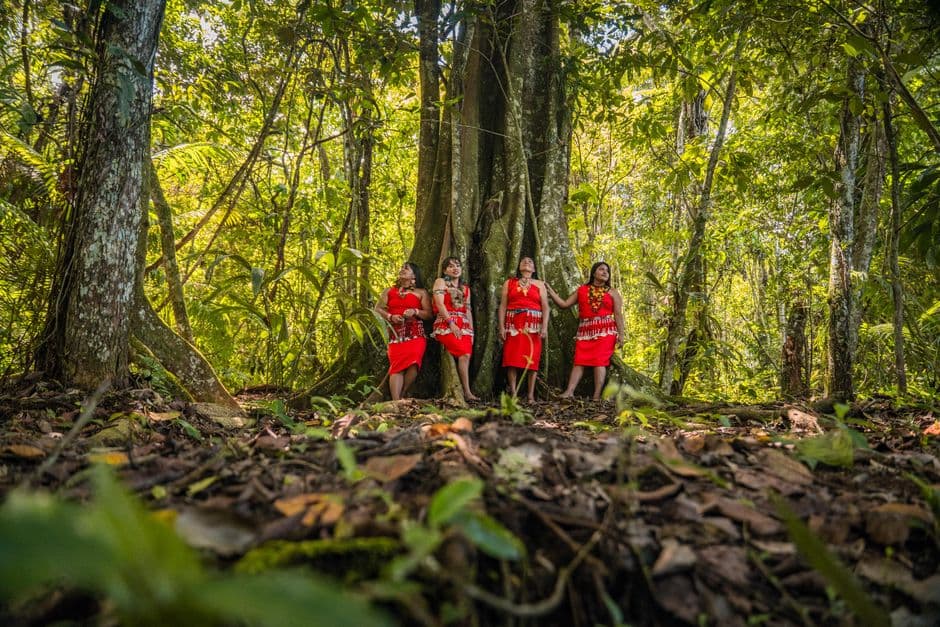
Bolivia's constitutional court struck down a ban on carbon market funding mechanisms in June 2024, unleashing a rush of companies and foundations into the Pando region to negotiate carbon credit deals with Indigenous communities. The Tacana, Ese Ejja, and Cabineño peoples report opaque agreements being presented as climate solutions – often timed to coincide with droughts and floods when communities are most vulnerable. Leaders describe the mechanism as selling "invisible air" to foreign buyers, a characterisation that flags serious concerns about consent, pricing transparency, and whether these deals genuinely benefit communities or simply extract value from their territories. The deals operate in an information vacuum. Companies and foundations arrive with offers that lack clear terms, long-term obligations, or independent verification of carbon credit validity. Indigenous leaders have flagged the absence of genuine consultation – agreements appear rushed and structured to favour external actors rather than communities. This follows a pattern seen across carbon markets globally: deals that exploit information asymmetry, lock in unfavourable terms for decades, and ultimately shift climate responsibility from high-emission economies to some of the world's most marginalised populations. The court's 2024 ruling was framed as opening opportunity. What it actually opened was a door for predatory financing dressed as climate action. Whether Bolivia's government establishes safeguards – mandatory community consent protocols, independent carbon verification, benefit-sharing mechanisms – will determine whether carbon markets become a tool for Indigenous land security or another mechanism for dispossession.