
The slow, muddy work of saving ancient bogs
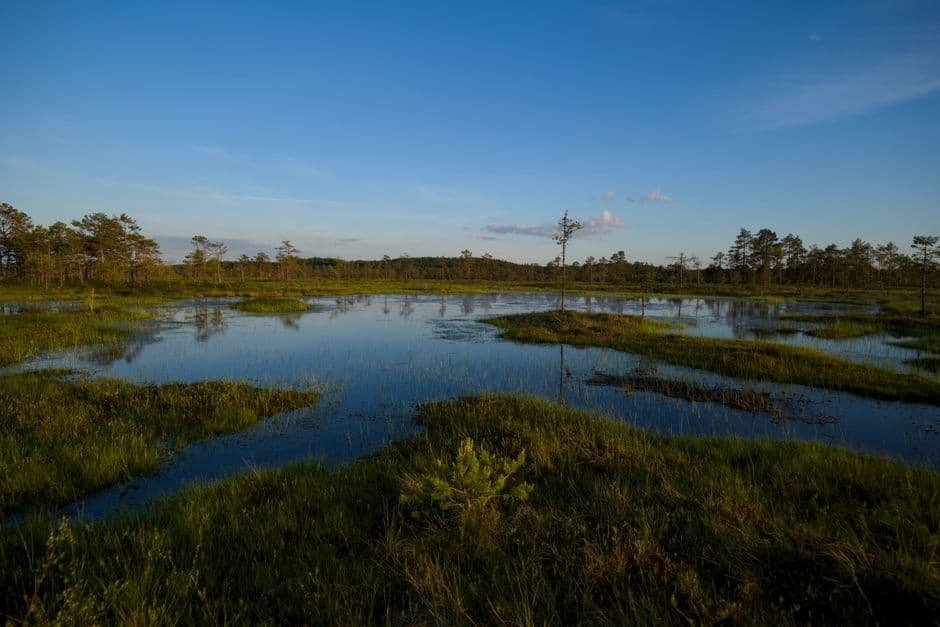
Peatland restoration is unglamorous work. Sarah Hickey's team manages nearly 20,000 acres of upland bog on the Isle of Man – land that stores carbon, supports rare species, and generates zero headlines. Bogs cover 3% of the global land surface but hold twice as much carbon as forests. When drained or degraded, they become carbon sources instead of sinks. Hickey's approach centres on rewetting and vegetation management – labour-intensive, incremental, without the appeal of solar farms or wind turbines. The Isle of Man project reflects a wider European recognition that peatland conservation belongs in climate strategy, not just biodiversity plans. But conservation budgets remain thin, and landowner buy-in varies. The work operates at landscape scale: 20,000 acres is significant, yet fragmented across private and public holdings. Restoration timelines stretch decades. Results – in terms of carbon sequestration or species recovery – are measurable but slow to communicate to funders. The tension is real: bogs are essential climate infrastructure, yet they compete for funding with projects offering faster, more visible returns. Whether peatland management becomes mainstream climate policy or remains a niche conservation effort depends on how seriously organisations integrate natural capital into carbon accounting.