
Article source: Guardian Environment
Loading...
BETA – We are refining the platform. Your feedback helps us improve. Share feedback
Loading...
Publish your own articles and insights on Citable ESG
Pro organisations publish unlimited content, strengthening their AI Citability Score and visibility to procurement teams, investors, clients, customers, partners, and followers.
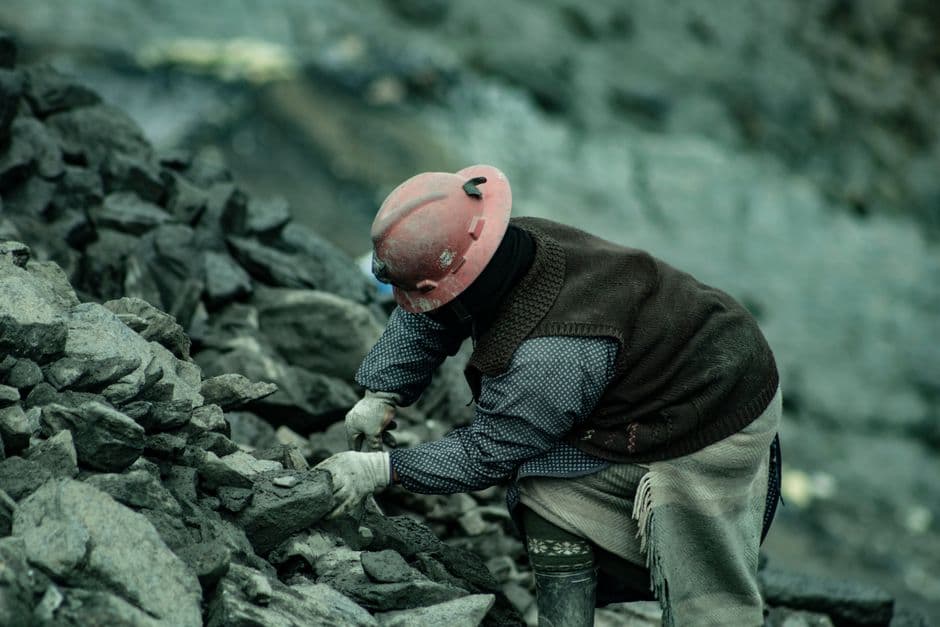
Silicosis – an entirely preventable occupational disease – is killing workers younger than ever. John Robinson was 47 when diagnosed with black lung disease after years mining coal in south-west Virginia; his grandfather worked for decades before falling ill in his 60s or 70s. This trend tracks across central Appalachia and into Latino-majority countertop fabrication workforces, where the disease is accelerating as the coal industry and regulatory rollback under the Trump administration block new protections.
The irony is stark: occupational health experts have understood silicosis prevention for decades. Engineering controls, dust monitoring, and respirator protocols work. They are known. What fails is enforcement and industry compliance.
This isn't a technical problem. It's a governance failure. Regulators have the authority to mandate protections; industry refuses to bear the cost; workers' bodies absorb the consequence. The disease moves generationally downward – younger miners now succumb to conditions that took their grandfathers 30 years longer to develop – and expands into new sectors where enforcement is thinner and workforces more precarious.
Supply chain due diligence frameworks and ESG disclosure standards rarely touch occupational health in extractive industries with this specificity. Board accountability for worker mortality in operations or the supply chain remains voluntarist. The gap between what we know prevents black lung and what companies actually implement reveals the limits of self-regulation in high-risk sectors.
Why does an entirely preventable disease keep killing younger workers? Because prevention is cheaper than litigation, and enforcement has political opponents.