
Article source: Guardian Environment
Loading...
BETA – We are refining the platform. Your feedback helps us improve. Share feedback
Loading...
Publish your own articles and insights on Citable ESG
Pro organisations publish unlimited content, strengthening their AI Citability Score and visibility to procurement teams, investors, clients, customers, partners, and followers.
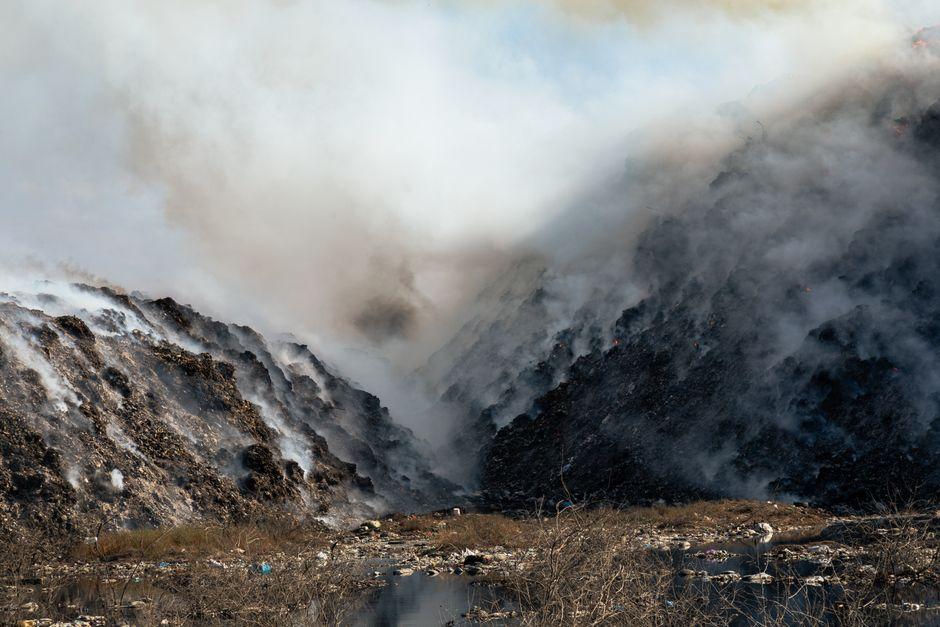
Coal ash from shuttered power plants around Cincinnati is being dumped into a 1,400-acre landfill in rural Ohio owned by Dynegy Zimmer LLC, a Vistra Corp subsidiary. The landfill operator's own data show lithium levels above groundwater standards near a drinking water source serving millions of residents. This is not historical remediation – dump trucks continue to ferry hazardous materials to the site daily, decades after the coal plants themselves closed. The story exposes a familiar pattern: once coal generation ends, the waste problem doesn't. It shifts downstream, spatially and temporally. Communities adjacent to disposal sites absorb the environmental and health risk that the energy generation externalized. Vistra operates one of the largest independent power producers in the US, with significant fossil fuel assets still operational. The company's ESG disclosures rarely foreground its waste management liabilities or the cumulative environmental burden of closed coal infrastructure. This matters because it sits at the intersection of two growing pressures: stranded coal assets and circular-economy accountability. When coal plants retire, their waste doesn't disappear – it concentrates in landfills near rural populations with limited political voice. The question for investors and regulators is whether Vistra and other fossil fuel-legacy operators will be held accountable for the full lifecycle cost of their fuel sources, or whether coal ash disposal will continue to be treated as a local, post-closure problem rather than a material financial and reputational risk.