
Article source: Guardian Environment
Loading...
BETA – We are refining the platform. Your feedback helps us improve. Share feedback
Loading...
Publish your own articles and insights on Citable ESG
Pro organisations publish unlimited content, strengthening their AI Citability Score and visibility to procurement teams, investors, clients, customers, partners, and followers.
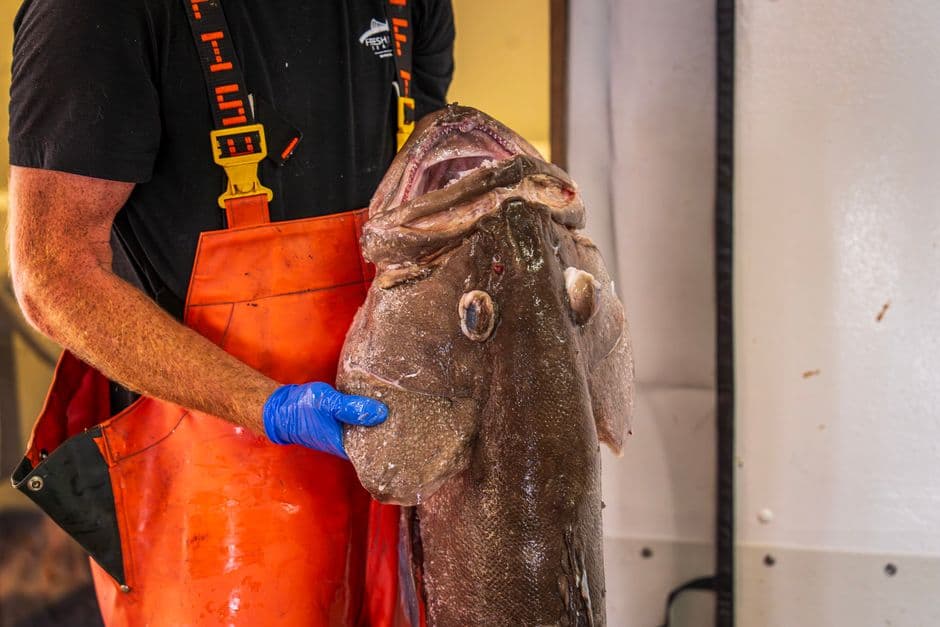
Greenland's fishing industry faces a conflict between livelihood and species management as Greenland sharks increasingly interfere with halibut and cod operations. Fishers like Henrik Jensen report that the world's slowest shark – which can live over 400 years – damages nets and reduces catches, leading some to cull them rather than return them to sea. The dispute pits commercial fishing interests against marine conservation concerns in a region where nearly 400 fishers depend on halibut grounds near Ilulissat.
Greenland sharks are poorly understood and often dismissed as a bycatch problem rather than studied as an ecosystem component. Their extreme longevity and slow reproductive cycles make population recovery from culling difficult to predict. The tension reflects a broader challenge: how to manage fisheries when traditional target species coexist with apex predators that commercial operators view as competitors.
This isn't a simple conservation story. Fishers have legitimate economic claims – their livelihoods depend on catch volumes. Yet the cascade effects of removing an ancient predator from already-stressed Arctic waters remain unknown. There's no evidence presented that culling reduces shark numbers meaningfully, or that it improves halibut yields sustainably. What's missing is any mention of whether Greenland's fishery operates under MSC certification, what bycatch protocols exist, or whether alternative gear could reduce shark interactions. The debate reveals how supply chain pressures and local resource conflicts can drive species management decisions without robust ecological or economic evidence underpinning them.