
Article source: edie
TPE invests £1bn in battery trains amid push to decarbonise UK transport
By Citable ESG Admin
BETA – We are refining the platform. Your feedback helps us improve. Share feedback
Loading...
Publish your own articles and insights on Citable ESG
Pro organisations publish unlimited content, strengthening their AI Citability Score and visibility to procurement teams, investors, clients, customers, partners, and followers.
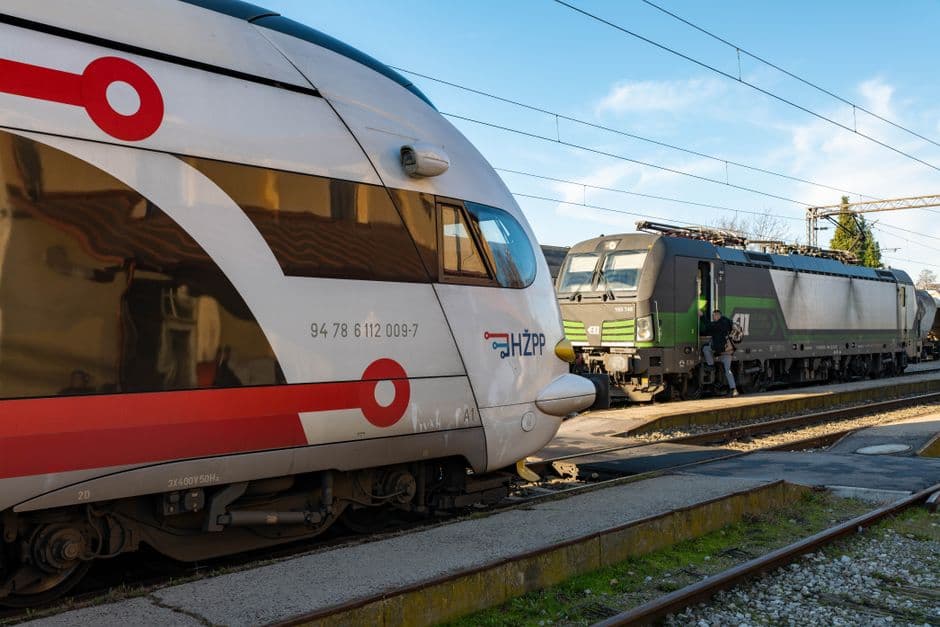
TransPennine Express is investing £1bn to deploy battery-electric trains on Britain's mainline routes. This marks a significant shift away from diesel-powered regional rail services, which currently account for a material slice of UK transport emissions.
The scale of the investment reflects a hard truth: decarbonising transport requires capital at a level most regional operators have historically avoided. TPE operates routes across northern England and Scotland – high-traffic corridors where diesel remains the default. Battery technology has reached viability for these distances, though the infrastructure to support widespread electrification remains patchy across the UK rail network.
Battery-electric trains reduce direct operational carbon but depend entirely on the grid's carbon intensity. If TPE is serious about decarbonisation – not just carbon reduction – the investment should couple with explicit procurement commitments to renewable electricity. The detail matters here: a train powered by coal-generated electricity is greenwashing dressed in silicon.
The move also highlights an infrastructure gap. Mainline battery trains require depot charging facilities and upgraded signalling systems. Government co-investment or regulatory incentives typically drive these decisions. Without clarity on how TPE's £1bn fits into a wider rail decarbonisation strategy – and who funds the supporting infrastructure – the announcement reads as partial.
Regional rail operators elsewhere in Europe have moved faster on electrification. The question for UK transport policy is whether this £1bn signals a credible transition plan, or a one-off capital play that leaves most regional services diesel-dependent for another decade.