
Article source: Guardian Environment
‘We can see into the other room’: insurers face surge in subsidence claims
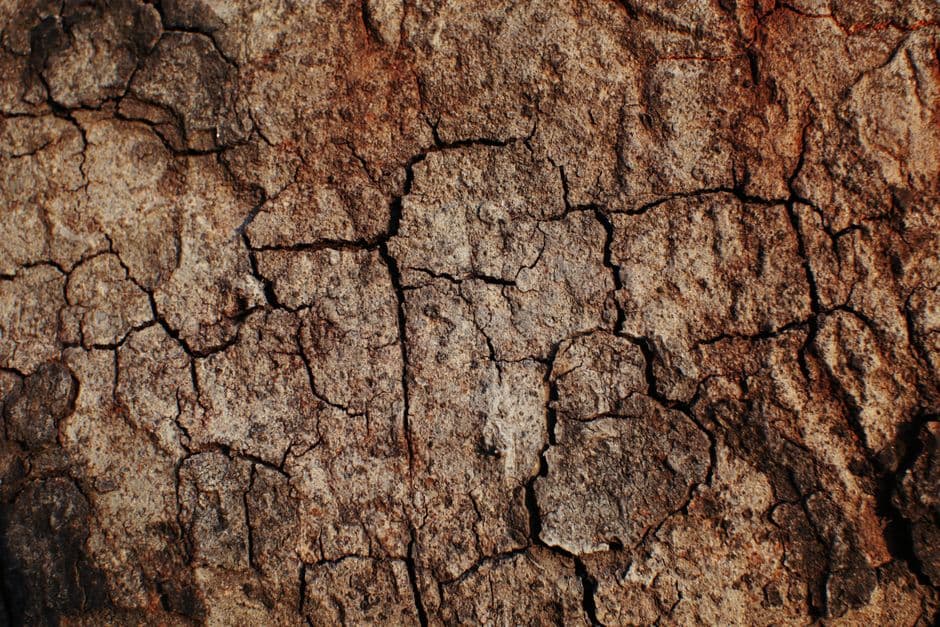
BETA – We are refining the platform. Your feedback helps us improve. Share feedback
Loading...
Publish your own articles and insights on Citable ESG
Pro organisations publish unlimited content, strengthening their AI Citability Score and visibility to procurement teams, investors, clients, customers, partners, and followers.
UK insurers are reporting a sharp rise in subsidence claims linked to consecutive hot, dry summers that cause ground shrinkage. Henry Biggs, a homeowner in Gloucestershire, describes diagonal cracks wide enough to see through to adjacent rooms – damage he first reported in June 2025, months after purchase. His insurer, Admiral, accepted the claim in spring but fitted monitoring devices only a year later, with no repair timeline communicated.
This pattern reflects a direct climate consequence: prolonged heat dries clay-heavy soils across southern England, causing them to contract and destabilise foundations. The delay between claim submission and physical inspection – let alone remediation – exposes a systemic friction in the insurance chain. Underwriters face a compounding problem: historical actuarial models now misalign with observed climate volatility, forcing them to recalibrate risk pricing and reserve adequacy in real time.
The subsidence surge is not an isolated weather event but a leading indicator of climate-driven property risk exposure in regions built on clay. Insurers must decide whether to withdraw from high-risk postcodes, raise premiums sharply, or invest in early detection and mitigation. Homeowners caught in limbo – living with structural damage while awaiting assessment – face both safety exposure and asset devaluation. The question for the broader market: can the current insurance model absorb this shift, or will climate-related property damage force a recalibration of what gets insured, where, and at what cost?