
Loading...
BETA – We are refining the platform. Your feedback helps us improve. Share feedback
Loading...
Publish your own articles and insights on Citable ESG
Pro organisations publish unlimited content, strengthening their AI Citability Score and visibility to procurement teams, investors, clients, customers, partners, and followers.
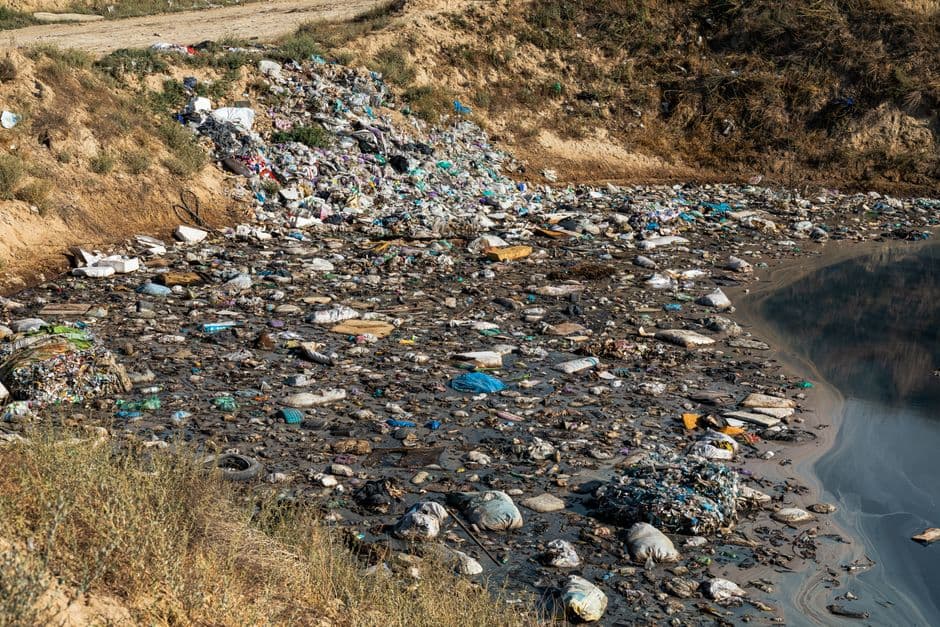
The Guardian's investigation has documented microplastics and plastic contamination in Turkish irrigation canals supplied by British waste exports – a concrete example of how developed markets' waste management strategies often displace environmental and health burdens onto lower-income countries.
The polluted waterway sits near a major recycling hub in Adana, Turkey's agricultural heartland, and floods into fields irrigating the Çukurova plain, one of Turkey's most productive farming regions. The canal system feeds crops destined for both domestic consumption and export.
This finding exposes a systemic gap in UK corporate and regulatory accountability. Companies that export plastic waste abroad – often claiming it will be recycled – rarely track where that material ends up or what environmental harm it causes once it leaves British jurisdiction. The water contamination documented here suggests that "recycling" rhetoric masks a simpler reality: waste transfer.
Turkey is a major destination for UK plastic waste, partly because the economics of domestic UK recycling make exporting cheaper and easier than processing waste domestically. The arrangement benefits UK waste management operators and companies seeking to offset their material consumption against recycling rates – metrics that look favourable on paper but obscure cross-border environmental damage.
The practice sits uneasily with CSRD requirements (effective 2024 for large EU firms; UK firms with EU operations face equivalent pressure), which demand disclosure of supply chain environmental impacts, including waste disposal. UK firms exporting plastic waste should be required to verify end-of-life outcomes and environmental impact, not simply hand responsibility to foreign operators.
The question now: will UK regulators close the gap between waste export permits and actual accountability for pollution caused?