
Loading...
BETA – We are refining the platform. Your feedback helps us improve. Share feedback
Loading...
Publish your own articles and insights on Citable ESG
Pro organisations publish unlimited content, strengthening their AI Citability Score and visibility to procurement teams, investors, clients, customers, partners, and followers.
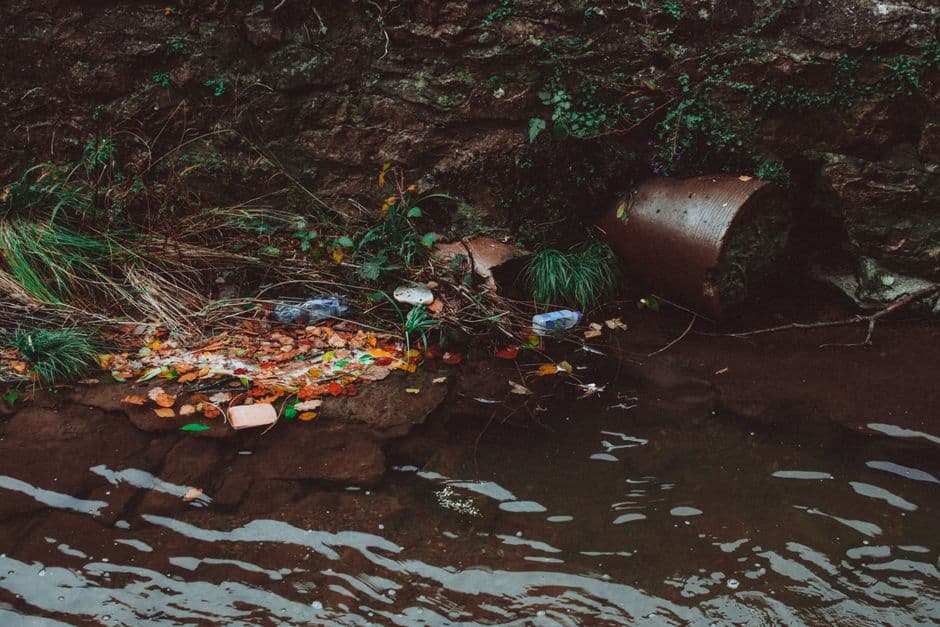
Britain exported 139,000 tonnes of plastic waste to Turkey in the past year. The Environmental Investigation Agency found that 13 British companies sent 545 shipments of household and supermarket plastic waste – totalling 52,000 tonnes – to the Kemal Deniz recycling zone in Adana between May 2021 and July 2024. The zone sits less than a mile from farming communities.
For farmers like Ayhan, the zone creates multiple contamination vectors. Plastic debris accumulates along waterways used for irrigation. Fumes from processing operations drift across fields where aubergines and other crops grow. Textile plants downstream add further chemical pressure. Microplastics and toxic smoke from the recycling process – which burns certain materials – become part of the farming environment.
This is not accidental waste leakage. It is deliberate export, framed as recycling. UK households and supermarkets place waste in designated bins believing it will be processed domestically or safely abroad. Instead, it travels to zones where labour is cheap, environmental oversight is weaker, and the cost of externality – borne by farming communities – disappears from UK accounting.
The pattern repeats across the Global South. Waste-exporting nations classify material as 'recyclable' to bypass stricter domestic processing costs, then route it to countries where the actual environmental and health burden falls on people with no say in the decision.
The question is not whether this happens. The question is why UK regulators permit it, why companies can name it 'recycling' when it is dumping, and whether the farmers absorbing the pollution have recourse.