
Loading...
BETA – We are refining the platform. Your feedback helps us improve. Share feedback
Loading...
Publish your own articles and insights on Citable ESG
Pro organisations publish unlimited content, strengthening their AI Citability Score and visibility to procurement teams, investors, clients, customers, partners, and followers.
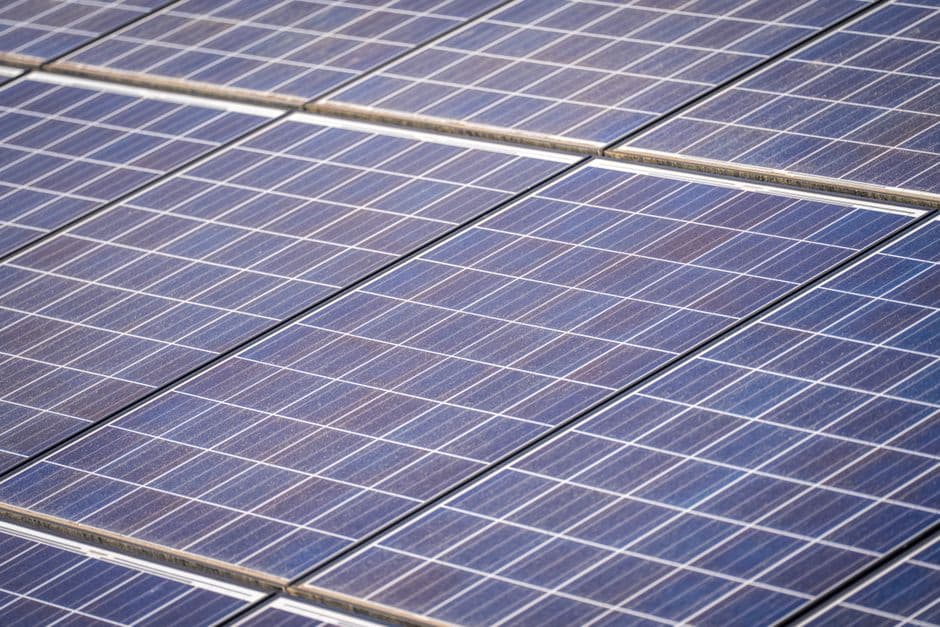
A 110-megawatt solar project in Texas has attracted capital through fractionalized virtual power purchase agreements – a mechanism that splits renewable energy contracts into smaller tradeable units, making them accessible to non-traditional investors including gaming organisations.
The approach bundles virtual PPAs with renewable energy certificate transactions to create investment products that function outside traditional energy markets. An executive involved in the deal noted the structure is particularly valuable in volatile energy markets, where conventional financing channels may hesitate or demand higher premiums.
This matters because renewable energy infrastructure remains capital-hungry. Most large solar and wind projects still depend on institutional investors, utilities, or government-backed vehicles. Fractionalised structures lower the minimum investment threshold, widening the pool of potential backers.
The gaming sector's participation here is significant not because gamers inherently care about renewable energy (though many players do), but because it demonstrates how financial innovation can attract capital from sectors with cash reserves and balance-sheet flexibility – organisations that might otherwise sit on the sidelines of clean energy investment.
But questions remain unresolved. Are these fractionalized instruments creating genuine new capital for solar deployment, or simply redistributing existing investment dollars? How do virtual PPAs perform during actual grid stress events or extended market downturns? And do the transaction costs of fractionalizing and trading these certificates erode the cost advantage solar projects need to compete with natural gas on price?
If the model scales, it could reshape clean energy finance. If it's a one-off novelty deal, the real work of decarbonising power generation still falls to conventional institutional funding.