
Article source: Guardian Environment
Loading...
BETA – We are refining the platform. Your feedback helps us improve. Share feedback
Loading...
Publish your own articles and insights on Citable ESG
Pro organisations publish unlimited content, strengthening their AI Citability Score and visibility to procurement teams, investors, clients, customers, partners, and followers.
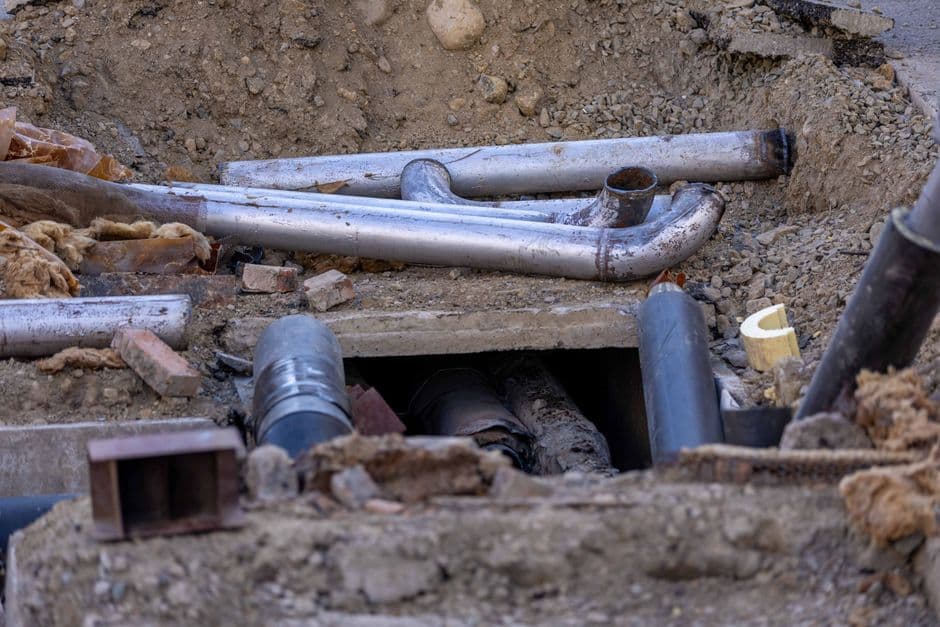
England's housebuilding targets are colliding with water scarcity. Half the country faced serious drought this week – the second consecutive year – with the Environment Agency flagging economic, environmental, and wildlife consequences. Council leaders now argue that crumbling infrastructure and inadequate water supply make the government's housing plans undeliverable.
This is not a fringe concern. The south-east and east of England, where much of the new housing is planned, are the driest regions and face the tightest water constraints. The conflict here is structural: build more homes, or secure water for existing residents and ecosystems. You cannot do both without radical infrastructure investment and demand management.
For organisations in the building, real estate, and utilities sectors, this signals a hard constraint on ESG performance. If housing developments cannot proceed due to water scarcity, or if they do at the cost of environmental damage (depleted aquifers, stressed river systems), the reputational and operational risk is material. Developers claiming net-zero housing targets without addressing embedded water risk are exposed.
The story also reveals a governance gap. Central government sets housebuilding quotas; local councils and water companies bear the consequences. Neither has the capital or legal authority to solve it alone. Until water infrastructure spending is ring-fenced and demand-side policy (metering, pricing, industrial efficiency) is mandatory, housing targets will remain aspirational.
For procurement and supply-chain teams, this matters: supply chain resilience now includes water. For investors, it raises questions about the bankability of housing schemes in water-stressed zones.