
Weaker ZEV Mandate risks UK climate targets, CCC warns
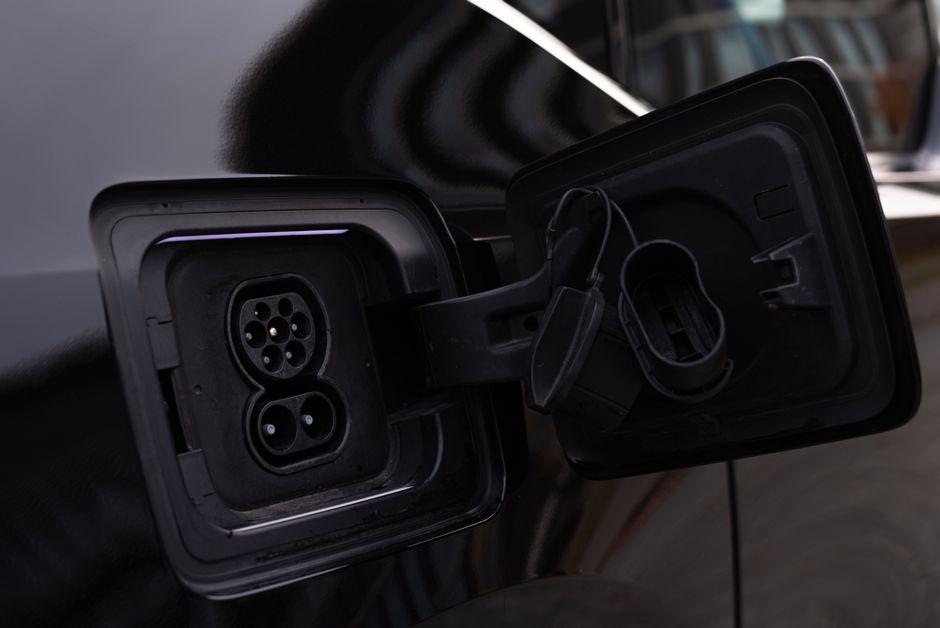
The Climate Change Committee has warned that scaling back the UK's Zero Emission Vehicle (ZEV) mandate risks missing net-zero targets and destabilising energy security. The Committee, the country's independent climate adviser, has flagged that a weaker mandate – reportedly under government consideration – would undermine the transport decarbonisation pathway already embedded in the Sixth Carbon Budget. The ZEV mandate requires an increasing proportion of new car sales to be zero-emission vehicles, with targets tightening toward 2030 and 2035. A diluted mandate would slow EV uptake precisely when transport electrification needs to accelerate. Beyond climate commitments, the Committee signals a second concern: grid stability and energy independence. Slower EV adoption means delayed demand-side flexibility opportunities and reduced stimulus for domestic battery manufacturing and charging infrastructure – both critical for UK energy resilience. The warning exposes a familiar tension in UK policy: short-term cost relief for manufacturers and consumers versus long-term decarbonisation obligations under the Climate Change Act. Manufacturers have lobbied for relief, citing supply chain pressures and EV profitability headwinds. But the Committee's analysis suggests the cost of weakening the mandate – delayed grid investment, higher abatement costs later, forgone manufacturing leadership – outweighs near-term relief. The question now is whether government will hold the line or trade binding climate law for political expediency.