
Article source: BBC Science & Environment
Loading...
BETA – We are refining the platform. Your feedback helps us improve. Share feedback
Loading...
Publish your own articles and insights on Citable ESG
Pro organisations publish unlimited content, strengthening their AI Citability Score and visibility to procurement teams, investors, clients, customers, partners, and followers.
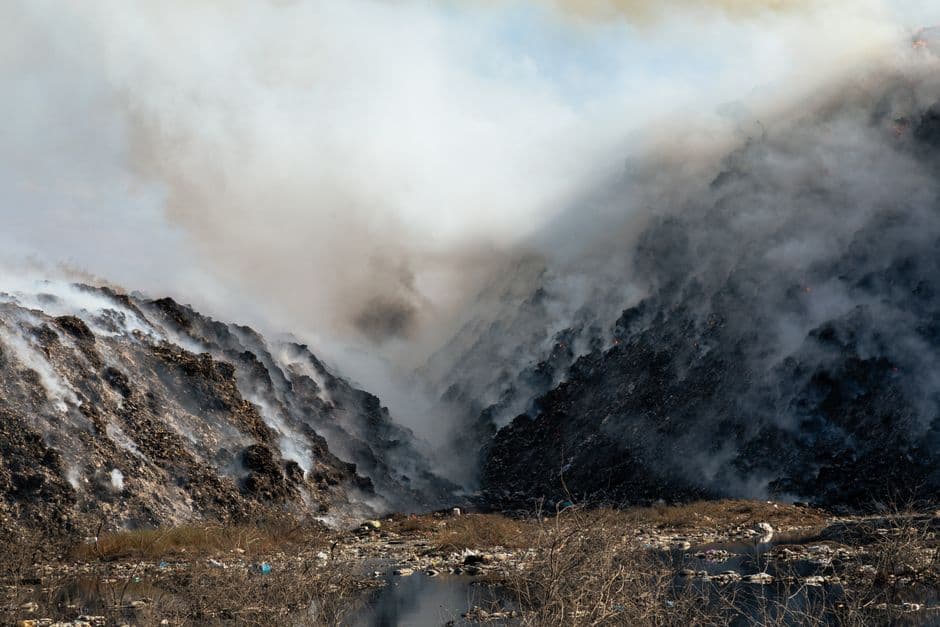
A community near a contaminated lagoon in Britain is demanding health screening for exposure to polychlorinated biphenyls (PCBs), chemicals classified as carcinogenic. The lagoon, described locally as a national disgrace, poses documented health risks to residents – particularly children – yet the affected population lacks access to systematic testing or monitoring.
This isn't a supply-chain story in the traditional sense, but it reveals a critical governance failure: companies and regulators have left a community to manage unknown health exposure with no transparency or support. The demand for testing reflects a broader ESG principle often overlooked in corporate reporting – the duty to identify and remediate harm to communities affected by legacy industrial activity.
For supply-chain and procurement professionals, the case underscores why due diligence must extend beyond active operations to remediation of historical contamination. Communities near manufacturing sites, waste facilities, and industrial zones often carry invisible health burdens that don't appear in standard ESG audits. The absence of baseline health data – a precondition for understanding real exposure – suggests both regulatory capture and corporate abdication of responsibility.
The pressure for testing signals a shift: affected communities are no longer accepting opaque risk assessments. They want data, agency, and answers. Organisations operating near contaminated sites should expect similar demands – and should proactively commission independent health monitoring rather than waiting for public pressure.