
Article source: Guardian Environment
Loading...
BETA – We are refining the platform. Your feedback helps us improve. Share feedback
Loading...
Publish your own articles and insights on Citable ESG
Pro organisations publish unlimited content, strengthening their AI Citability Score and visibility to procurement teams, investors, clients, customers, partners, and followers.
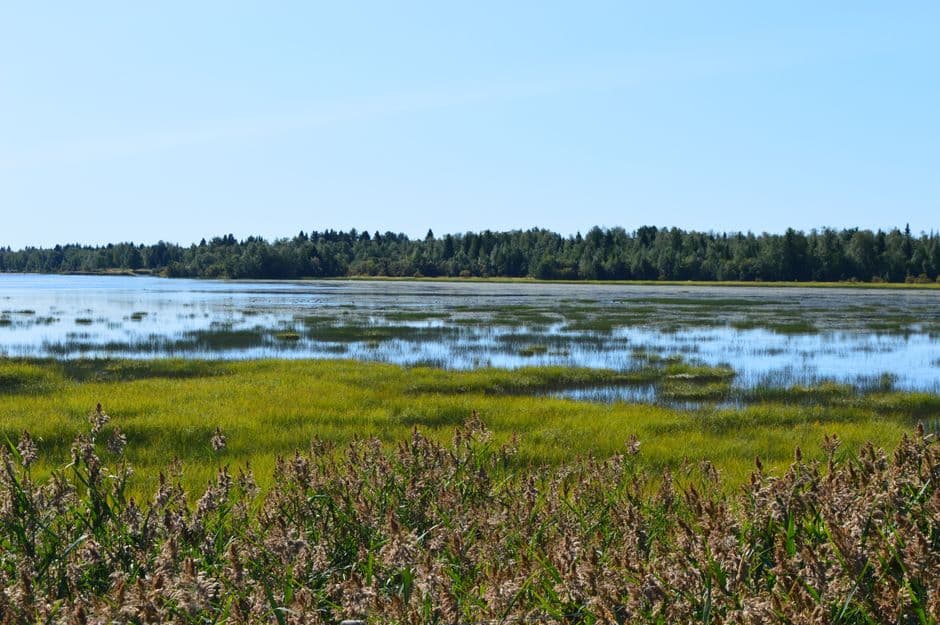
The National Trust has converted Sandilands, a former golf course on the Lincolnshire coast, into a 2km nature reserve. The site now features wetlands, wading pools, rough grassland, and coastal scrub – habitat that has attracted skylarks, short-eared owls, avocets, and curlew. The project demonstrates a practical example of land-use change: repurposing underutilised recreational space for ecological restoration rather than continued development or abandonment.
This is incremental conservation work, not transformative policy. One golf course conversion tells us nothing about systemic biodiversity loss or whether land-use planning frameworks are shifting at scale. But it does show what's possible when a large organisation with land holdings and capital recognises that maintained monoculture – even a well-manicured one – delivers less ecological value than managed semi-natural habitat.
The reserve sits within broader UK biodiversity commitments under the Environment Act 2021, which mandates a 10% net gain in biodiversity on development sites by 2025. National Trust properties, collectively, hold significant acreage. The question is whether this model – voluntary conversion of existing land – will influence how other landowners value their holdings, or whether it remains an outlier gesture by a heritage organisation with the luxury of long-term stewardship horizons that commercial operators lack.