
Why Google is paying to upgrade nuclear power plants
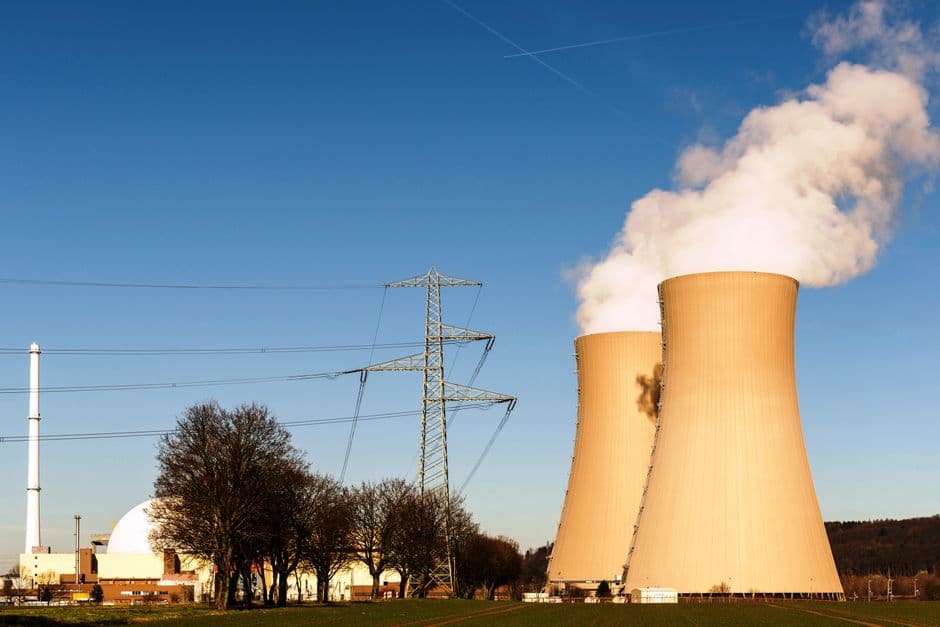
Google is funding upgrades to existing nuclear power plants to secure carbon-free electricity for its data centre operations. The shift marks a pragmatic pivot: rather than waiting for new-build nuclear capacity – which takes a decade or more – the company is bankrolling modifications to ageing reactors to extend their operational life and boost output.
This is not altruism. Google's data centres consume enormous amounts of power, and renewable sources alone cannot reliably meet the demand. Nuclear offers the density and consistency that solar and wind cannot guarantee at scale. By funding plant upgrades directly, Google gains supply certainty whilst the plants' operators gain capital for maintenance and life extension.
The strategy sidesteps one persistent problem in energy transition: the gap between what policy promises and what infrastructure actually delivers. Most utilities move slowly on upgrades; Google's willingness to fund them accelerates the timeline.
But there's a tension worth examining. Tech companies framing nuclear investment as climate action risks obscuring the reality: this is commercial self-interest dressed as environmental stewardship. Google needs the power. The climate benefit – real as it is – arrives because the deal works for both parties, not because Google discovered conscience.
The bigger question: if tech giants must pay to unlock carbon-free capacity, what does that tell us about the pace of transition under current market and regulatory structures? And what happens to regions where tech companies have no vested interest?