
Article source: Guardian Environment
Loading...
BETA – We are refining the platform. Your feedback helps us improve. Share feedback
Loading...
Publish your own articles and insights on Citable ESG
Pro organisations publish unlimited content, strengthening their AI Citability Score and visibility to procurement teams, investors, clients, customers, partners, and followers.
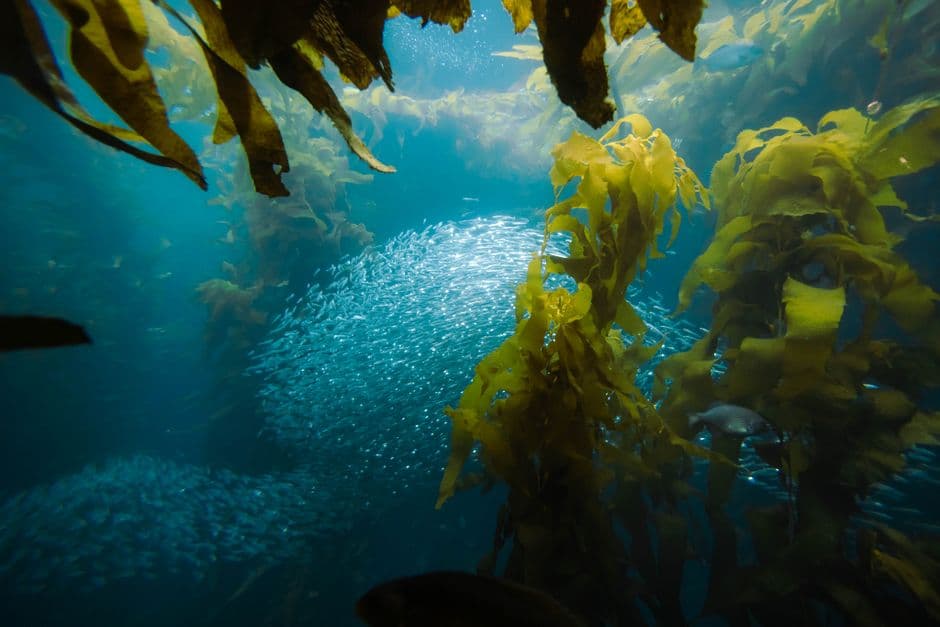
Kelp forest collapse along the Pacific coast has obliterated 95% of California's underwater ecosystems in a decade. The Sunflower Star Laboratory, a non-profit co-founded by Ashley Kidd, is now actively restoring sunflower sea stars – predatory starfish that regulate sea urchin populations and prevent kelp overgrazing. Without them, urchins consume kelp faster than it can regenerate, leaving bare rock where forests once stood.
This is ecological restoration through species reintroduction, not mitigation theatre. The sea star population crashed due to a combination of disease and warming ocean temperatures in the 2010s, a cascade failure that marine systems are still recovering from. Kidd's team dives into cold Pacific waters to monitor and support the population's comeback.
The work sits at the intersection of climate adaptation and biodiversity conservation – kelp forests sequester carbon, provide nursery habitat for commercially important fish species, and buffer coastlines against storm surge. Their loss matters beyond the visible ecosystem damage: California's fishing economy, food security, and coastal resilience all depend on these systems functioning.
What's notable is the directness of the intervention. Rather than carbon credits or policy papers, this is hands-on marine species recovery. But restoring predator populations in warming oceans raises harder questions: Can sea star populations stabilise if water temperatures keep climbing? Is species reintroduction a durable solution without addressing ocean acidification and thermal stress? The starfish are a tool, not a fix.