
Article source: Grist
Loading...
BETA – We are refining the platform. Your feedback helps us improve. Share feedback
Loading...
Publish your own articles and insights on Citable ESG
Pro organisations publish unlimited content, strengthening their AI Citability Score and visibility to procurement teams, investors, clients, customers, partners, and followers.
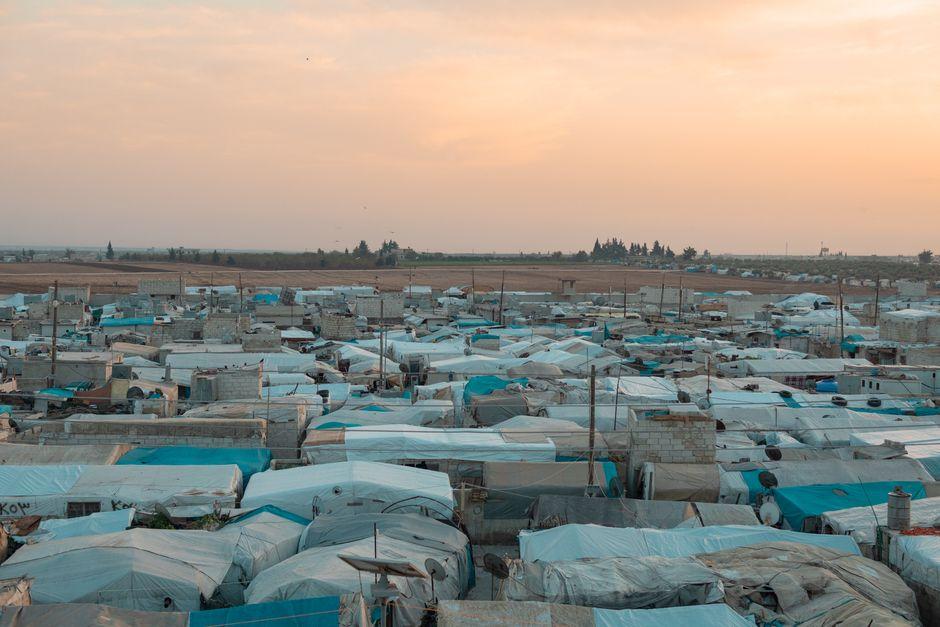
Two years after Mexico's government relocated residents from a climate-ravaged community, survivors are struggling to rebuild livelihoods in unfamiliar terrain. The resettlement, framed as emergency response to environmental collapse, reveals a pattern common across climate adaptation: governments move people, then withdraw support.
The core failure wasn't the relocation itself. It was the absence of genuine resettlement planning before displacement occurred. Residents report inadequate housing quality, lack of employment pathways in new locations, and broken social infrastructure – schools, healthcare, market access. The government treated relocation as a discrete event rather than a multi-year transition requiring sustained investment.
This matters because climate displacement is accelerating. Droughts, floods, and extreme weather will force millions from their homes over the next decade. Mexico's case – documented by journalist Nina Lakhani for Grist – shows what happens when governments treat it as an emergency intervention rather than planned adaptation.
The lesson isn't subtle: communities need engagement before crisis hits, not after. Pre-emptive dialogue about risk, livelihood alternatives, and long-term support requirements separates managed transition from chaos. Governments owe climate-displaced people more than temporary shelter. They owe sustained employment support, business credit access, education continuity, and healthcare provision in receiving communities.
Mexico's resettlement also raises a governance question most climate adaptation frameworks sidestep: who decides where people move? Were residents consulted on destinations, or was this top-down placement? The answer determines whether climate adaptation becomes a tool for dignity or displacement.