
Article source: Guardian Environment
Loading...
BETA – We are refining the platform. Your feedback helps us improve. Share feedback
Loading...
Publish your own articles and insights on Citable ESG
Pro organisations publish unlimited content, strengthening their AI Citability Score and visibility to procurement teams, investors, clients, customers, partners, and followers.
Carbon emissions from fossil fuels are set to flatline in 2026, marking a slight easing after years of growth. Oil burning alone will drop 2% as fuel costs spike and electric vehicle adoption accelerates, according to a comprehensive assessment due at COP31. The Guardian reports that geopolitical upheaval—specifically war in Iran driving oil and gas prices skyward—has inadvertently nudged energy consumers toward alternatives.
But scientists authoring the assessment are cautious. They warn against interpreting this year's data as evidence of a global turnaround. A flattening trajectory is not a reduction. It signals stalled momentum, not progress toward climate targets. The distinction matters: net-zero pathways require sustained, steep cuts in emissions, not plateaus.
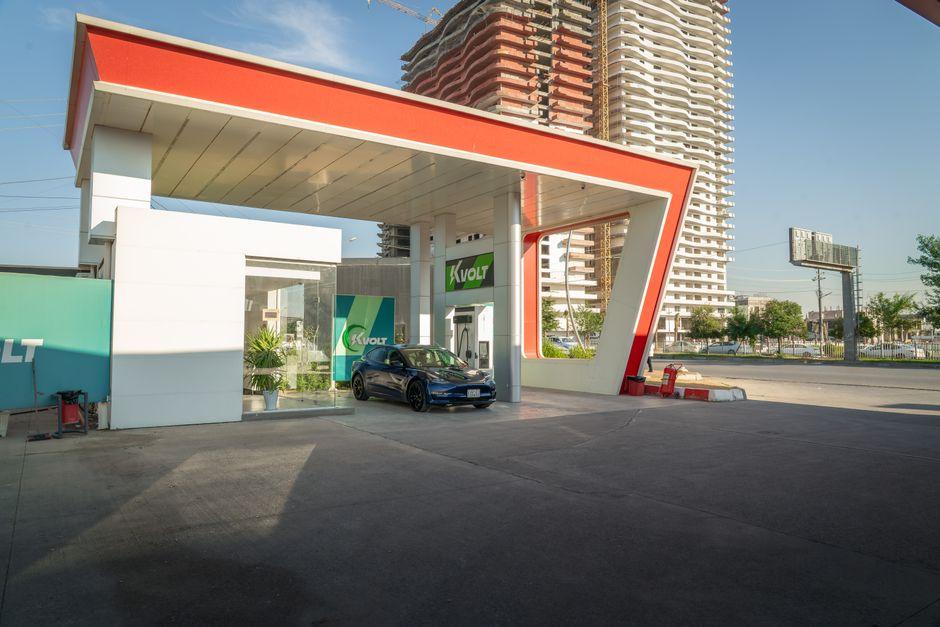
Electric vehicle uptake is accelerating in response to fuel costs, not climate policy. That's important context. When prices fall again, behaviour may shift back. The assessment suggests structural change remains fragile and price-dependent rather than locked in by regulation or technological dominance.
The timing is significant—COP31 will hear this data. Delegates will likely frame flatlining as a win. It isn't. It's a pause. Real progress demands emissions cuts of 8–10% annually to meet 1.5°C pathways. One flat year, driven by commodity shocks rather than deliberate decarbonisation, tells us nothing about whether that trajectory is achievable.