
AI could help fossil fuel companies create more emissions
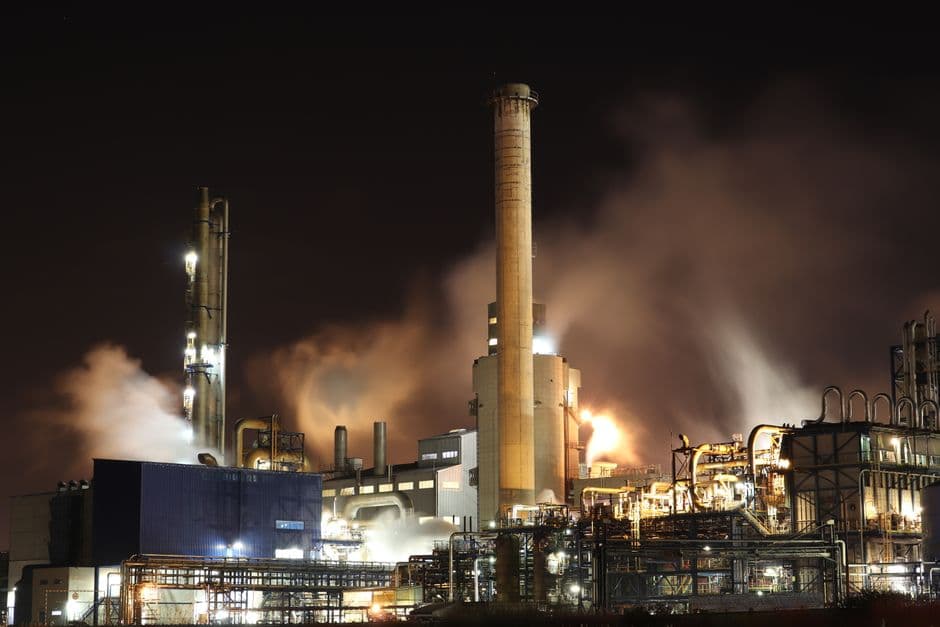
AI deployment in the fossil fuel sector poses a direct emissions risk that most climate analysis has missed. New research quantifies the threat: artificial intelligence could increase productivity across oil, gas, and coal operations by enough to raise total carbon emissions by nearly 5 percent. That figure dwarfs the climate impact of data centre energy consumption – the assumption that has dominated the AI-climate debate.
This matters because the narrative around AI's environmental footprint has fixated on electricity demand from training and inference clusters. That concern is real but narrow. The broader and more consequential risk sits upstream: if AI makes fossil fuel extraction and processing more efficient, it lowers the effective cost of carbon – more barrels per dollar, more gas per watt – and extends the commercial viability of reserves that would otherwise become uneconomical.
The research exposes a critical gap in corporate sustainability commitments. Companies adopting AI for operational gains rarely model second-order emissions effects. A mining or drilling firm cutting costs through machine learning may report productivity gains and capex efficiency as wins whilst the carbon intensity question stays unexamined. Scope 3 accounting rules theoretically capture downstream emissions, but upstream acceleration in extraction itself sits in a blind spot.
The finding also undermines casual optimism about technology-driven decarbonisation. AI is a tool. When deployed in service of fossil fuel expansion, it accelerates harm, not mitigation. The question now is whether AI governance – corporate, regulatory, or sectoral – will flag this risk before deployment scales further.