
Article source: Guardian Environment
Loading...
BETA – We are refining the platform. Your feedback helps us improve. Share feedback
Loading...
Publish your own articles and insights on Citable ESG
Pro organisations publish unlimited content, strengthening their AI Citability Score and visibility to procurement teams, investors, clients, customers, partners, and followers.
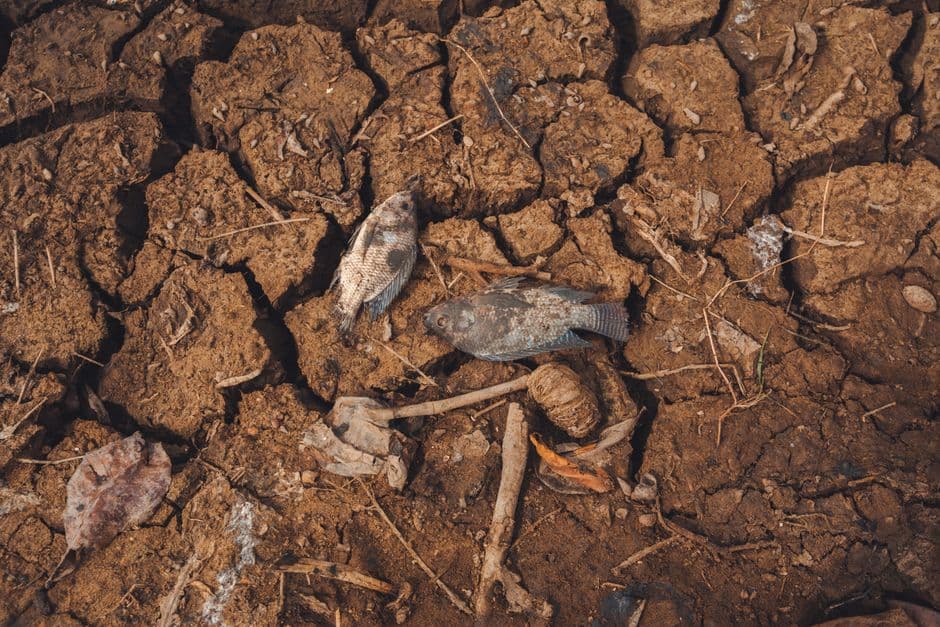
The Danube has fallen to historically low levels, forcing Hungary to shut down all but one of its nuclear reactors – a first in 44 years. The emergence of the Rock of Starvation, a legendary boulder beneath Budapest that surfaces only during severe droughts, signals the scale of the crisis. Guardian journalists travelled 100 miles along the EU's longest river and found residents struggling to secure drinking water, crops destroyed, and riverbeds dry enough for cyclists to ride across.
The reactor shutdowns have direct consequences for Hungary's energy security and wider EU supply. Nuclear plants rely on river cooling; without sufficient water depth and temperature, they cannot operate safely. This is a hard limit that no planning framework anticipated. The historical precedent – the rock's emergence has always preceded famine – underscores how water scarcity cascades beyond agriculture into industrial and domestic sectors.
What makes this noteworthy for ESG decision-makers: the crisis exposes critical infrastructure vulnerability that sits outside traditional climate risk models. Energy suppliers, industrial operators, and governments have treated water availability as a given. It isn't. The Danube incident is a live case study in adaptation failure – not from ignorance, but from delayed action. The question isn't whether other regions face similar vulnerabilities; it's how quickly organisations and policymakers will act to map and mitigate them.