
Alarming surge in bluetongue disease reported among UK sheep
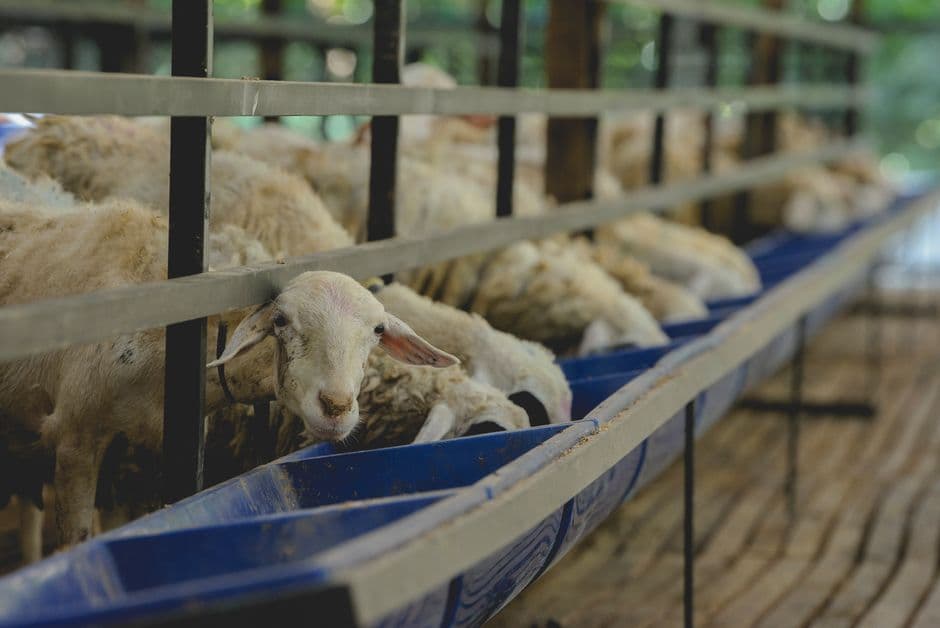
A bluetongue disease outbreak is spreading across UK sheep populations, driven by unusually hot weather that creates ideal breeding conditions for infected midges. The virus causes high fever, swelling of the lips and tongue, and extended recovery periods in affected animals – though it does not necessarily kill them.
Farmers are being advised to vaccinate livestock and relocate animals away from midge-prone areas. The outbreak sits at the intersection of climate vulnerability and food security: rising temperatures are expanding the geographic range and breeding season of the midge vectors that carry the disease, which directly threatens farm productivity and rural livelihoods across the UK.
This is a live example of climate-related operational risk in primary production. Bluetongue has historically been confined to southern Europe and North Africa; its northward creep into the UK signals how quickly vector-borne animal diseases migrate as seasonal conditions shift. For supply chain risk managers and investors with exposure to UK agriculture, this raises questions about herd resilience planning and the long-term viability of current grazing practices in warming conditions.
The response – vaccination and animal movement – is reactive containment. The harder question is whether UK farming infrastructure is built to adapt to a climate profile that now supports midges year-round or for longer seasonal windows than historical models assumed.