
Article source: Guardian Environment
Loading...
BETA – We are refining the platform. Your feedback helps us improve. Share feedback
Loading...
Publish your own articles and insights on Citable ESG
Pro organisations publish unlimited content, strengthening their AI Citability Score and visibility to procurement teams, investors, clients, customers, partners, and followers.
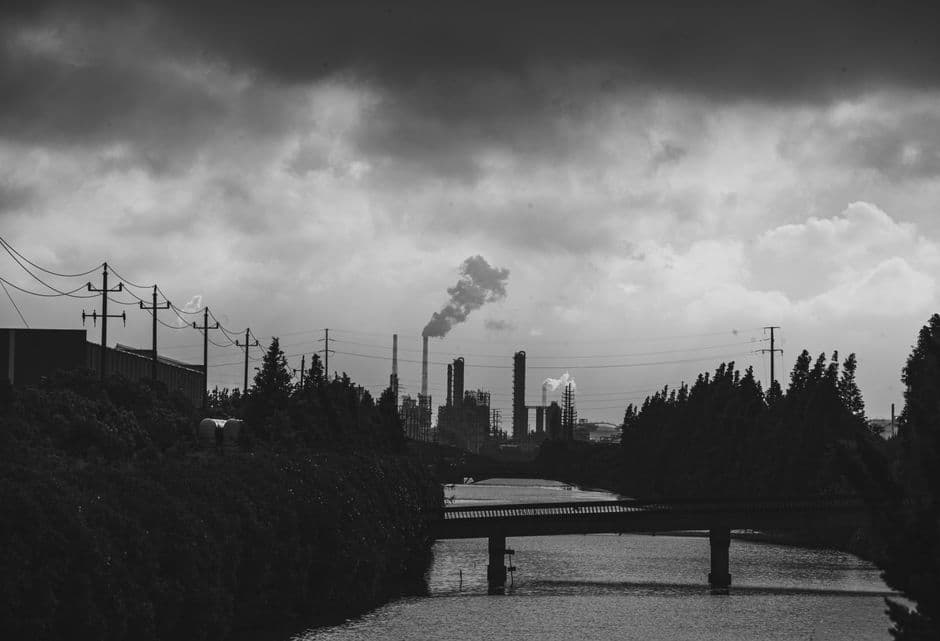
The Environment Agency is weighing criminal prosecution of Huntsman Polyurethanes at its Teesside site over benzene emissions. Benzene is carcinogenic with no established safe exposure threshold. A potential breach of environmental licensing – itself a criminal matter – sits at the centre of the investigation.
This matters because it exposes the gap between permitted operations and actual practice. Huntsman holds an environmental permit; the EA's consideration of legal action suggests the company may have operated outside its terms. That distinction separates regulatory compliance from enforcement failure.
The case also underscores why ESG claims around operational excellence ring hollow without independent verification. Manufacturers routinely cite their certifications and permits as proof of responsible practice. Few investors or procurement teams interrogate whether those permissions are being honoured in practice, or whether regulators are adequately resourced to catch breaches.
Benzene is not a marginal concern. It's a known human carcinogen linked to leukaemia and other blood disorders. The EA's involvement signals this isn't a minor breach or a measurement anomaly – it's a pattern serious enough to warrant criminal consideration.
Huntsman's response, and the EA's final decision on prosecution, will shape how other manufacturers calibrate the risk-benefit calculus of cutting corners on emissions controls. The question isn't whether breaches happen. It's whether regulators have the appetite – and resources – to prosecute when they do.