
All surface water in England polluted by chemicals
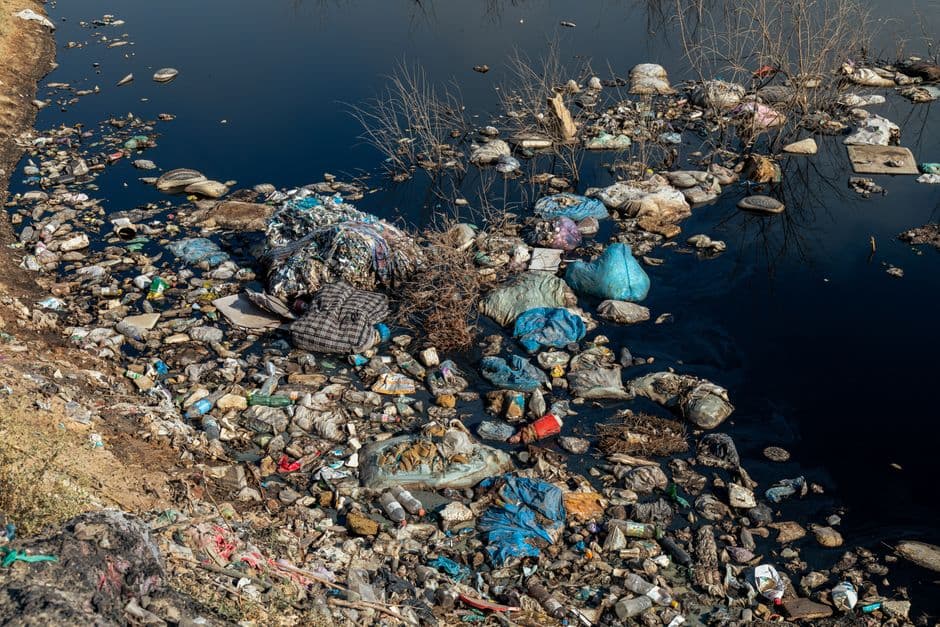
Government data confirms every body of surface water in England contains pollutants and toxic chemicals. Less than 15% has achieved 'good' ecological status under Environment Agency classification. This finding matters because water quality directly correlates with biodiversity, human health, and asset risk for organisations drawing from or discharging into these systems.
The scale is stark. Not "most" or "many" – all. The implication for corporate water stewardship programmes is immediate: any claim about responsible water use must now account for the baseline contamination that exists upstream and downstream of operations. Organisations relying on surface water for processing, cooling, or discharge cannot treat local waterways as neutral background infrastructure.
This data also exposes a reporting gap. If less than 15% of water bodies meet ecological standards, why are so many organisations' sustainability reports claiming water-neutral operations or responsible discharge? The disconnect suggests either measurement failure at source or insufficient scrutiny of what "responsible" actually means in a context where the entire system is degraded.
For procurement teams and supply chain officers, this raises a compliance question: if your suppliers operate in England and discharge to surface water, their reported water footprint figures need stress-testing against this baseline. The Environment Agency classification is public. Use it.