
Loading...
BETA – We are refining the platform. Your feedback helps us improve. Share feedback
Loading...
Publish your own articles and insights on Citable ESG
Pro organisations publish unlimited content, strengthening their AI Citability Score and visibility to procurement teams, investors, clients, customers, partners, and followers.
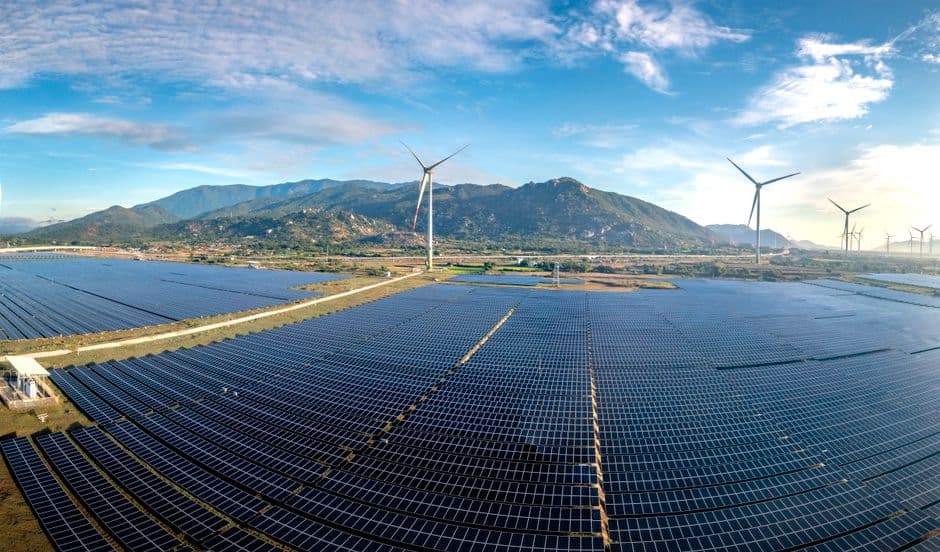
China's 15th five-year climate plan marks a formal policy commitment to emissions reduction and climate adaptation across sectors. The plan sets targets for renewable energy deployment, energy efficiency standards, and industrial decarbonisation – though details on scope (whether 1+2 or inclusive of scope 3) and verification mechanisms remain unclear from the headline announcement.
Five-year plans function as binding directives for provincial governments and state-owned enterprises in China. Unlike voluntary corporate commitments, these carry enforcement mechanisms and resource allocation implications. The timing matters: China accounts for roughly 30% of global CO2 emissions, and policy signals here shape supply chains, renewable energy investment patterns, and import demand across Asia.
But specificity is the test. A plan that commits to "accelerating clean energy transition" differs fundamentally from one that mandates 60% non-fossil capacity by 2030 with quarterly reporting. The distinction between aspirational language and measurable, audited targets determines whether this plan becomes a lever for decarbonisation or a communications exercise.
Key questions remain: Does the plan include supply chain emissions (scope 3)? Which verification body monitors compliance? How do targets align with China's stated 2030 and 2060 commitments under international frameworks? And critically – what happens to organisations that miss interim milestones?
For procurement teams and sustainability leaders, this plan signals where Chinese manufacturers and energy providers will likely redirect investment. Understanding the specifics will be essential for supply chain due diligence.