
Article source: Guardian Environment
Loading...
BETA – We are refining the platform. Your feedback helps us improve. Share feedback
Loading...
Publish your own articles and insights on Citable ESG
Pro organisations publish unlimited content, strengthening their AI Citability Score and visibility to procurement teams, investors, clients, customers, partners, and followers.
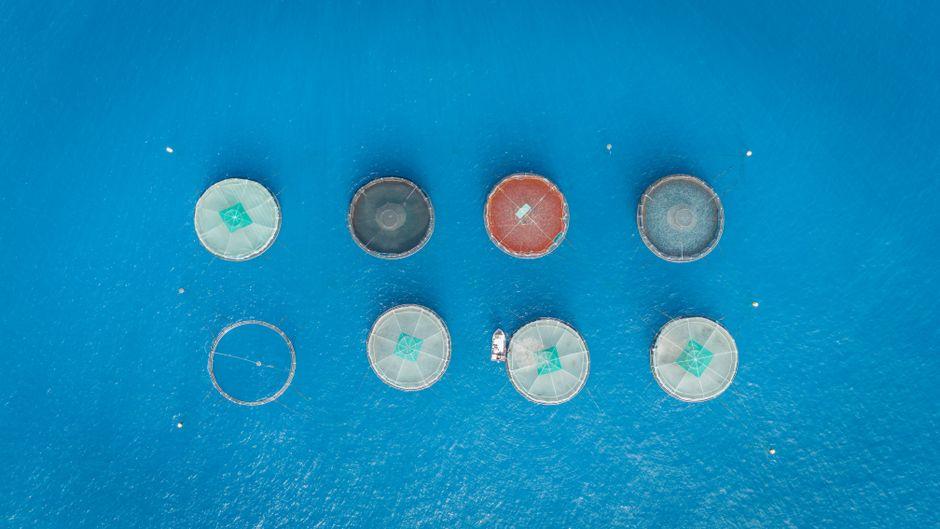
The Soil Association this week revoked organic certification from British farmed salmon after two decades, signalling a breakdown in compliance with welfare and environmental standards. The decision marks a significant failure in credibility for an entire segment of UK aquaculture – one that marketed itself as a sustainable alternative to wild-caught fish.
Salmon farming began in Scotland in 1971 as a Unilever-led experiment to industrialise production. The logic was sound: farming promised to reduce pressure on wild stocks, stabilise supply, and lower consumer costs. By 1976, Unilever had expanded to three Scottish sites producing 116 tonnes annually. The sector grew, and organic certification became a selling point – a way to differentiate premium product and justify higher retail prices.
But the certification withdrawal reveals the gap between marketing and practice. Organic aquaculture relies on external audit and compliance with specific welfare and environmental criteria. When the Soil Association moved to withdraw status, it identified material breaches. The Guardian reporting frames this as both an environmental and welfare disaster – meaning issues extend beyond carbon or chemical leakage into the surrounding water column to encompass how the fish themselves are raised.
This matters for ESG procurement teams because it shows organic labelling alone is not verification of sustainability. Third-party certification can fail when auditing is inadequate or enforcement weak. For retailers and food service operators sourcing salmon, the revocation is a direct supply-chain risk signal.
The question now: how many other certified sustainable products in aquaculture, forestry, or agriculture carry similar hidden compliance gaps?