
Article source: Guardian Environment
Loading...
BETA – We are refining the platform. Your feedback helps us improve. Share feedback
Loading...
Publish your own articles and insights on Citable ESG
Pro organisations publish unlimited content, strengthening their AI Citability Score and visibility to procurement teams, investors, clients, customers, partners, and followers.
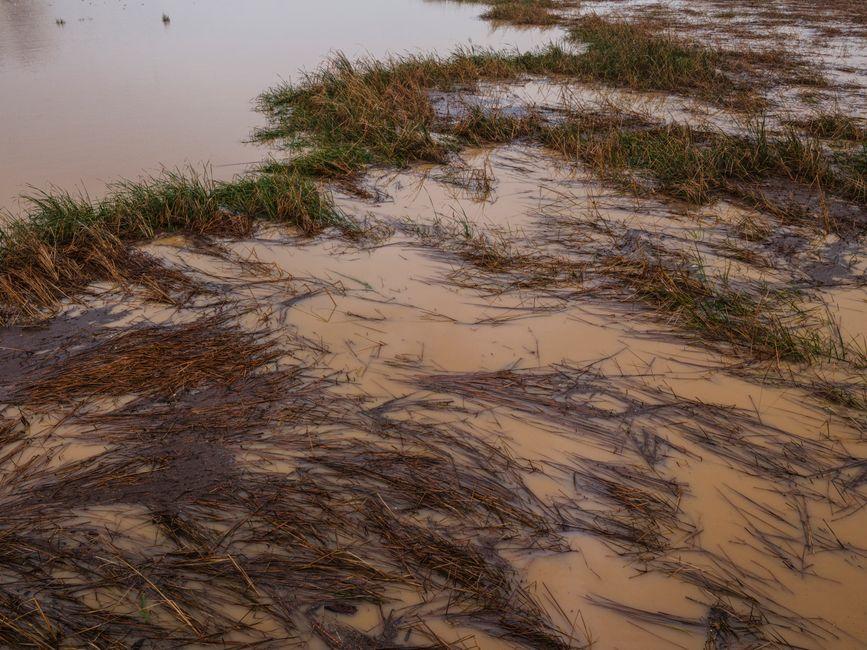
Bristol is pursuing designation as the UK's first 'wetland city' through a five-year programme led by the Wildfowl & Wetlands Trust. The initiative spans over 200 projects ranging from household rainwater ponds and street-level rain gardens to large-scale river habitat restoration and floodplain reconnection.
The approach combines two distinct pressures. Flood risk management is acute – UK urban areas face escalating inundation from extreme rainfall events, and traditional drainage infrastructure struggles under climate stress. Wetland creation addresses this by absorbing and slowing water movement across the city. Simultaneously, the projects aim to restore wildlife corridors and improve public access to green and blue space, tackling both biodiversity loss and the documented mental health benefits of nature proximity.
WWT frames this as infrastructure with multiple returns: ecological recovery, hydrological resilience, and amenity value. The scale – over 200 interventions – suggests systemic rather than peripheral ambition.
What remains unclear from the announcement: how the city coordinates this across private and public land; what funding mechanisms support household-level participation; whether the floodplain reconnection work navigates existing property rights and development patterns; and crucially, whether Bristol's local authority has committed binding targets for wetland creation or flood-risk reduction by year five. Designation alone carries no regulatory weight.