
Loading...
BETA – We are refining the platform. Your feedback helps us improve. Share feedback
Loading...
Publish your own articles and insights on Citable ESG
Pro organisations publish unlimited content, strengthening their AI Citability Score and visibility to procurement teams, investors, clients, customers, partners, and followers.
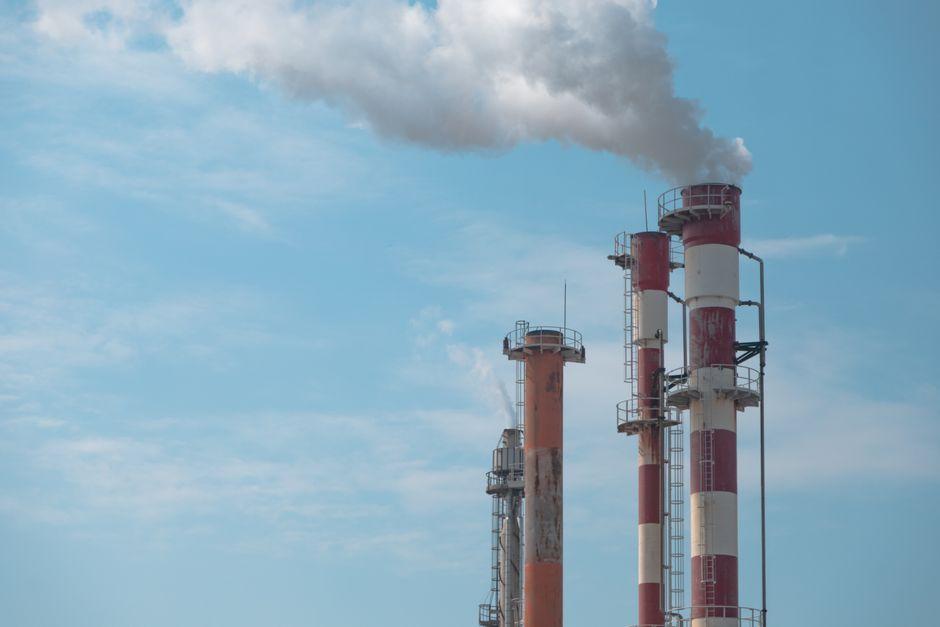
Texas has begun issuing permits for subsurface carbon dioxide storage, positioning itself as a hub for permanent carbon removal. The move aligns with corporate net-zero pledges and federal incentives under the Inflation Reduction Act – but residents of East Texas communities adjacent to proposed injection sites are raising legitimate concerns about geological risk, groundwater contamination, and who bears liability if something goes wrong.
This tension exposes a gap in carbon accounting logic. Companies can claim emissions reductions by purchasing carbon removal credits, yet the actual permanence of that storage remains uncertain. Leakage risks are real. Monitoring protocols vary. And when something fails – a well rupture, a seismic event, pressure migration – remediation costs and health impacts land on local residents, not on the corporate balance sheet that benefited from the offset.
The scepticism about climate benefit is warranted. Carbon storage is not a substitute for emissions reduction; it's a complement, and only if executed with genuine geological competence and community consent. Texas regulators have issued permits without evidence of genuine local buy-in or robust third-party verification of storage permanence.
The pattern repeats: climate infrastructure is built in communities with least political power to resist. East Texas residents are right to demand more than the company's assurance or the state's rubber stamp. They need independent hydrogeological assessment, binding liability frameworks, and a seat in permit decisions.
What does permanent carbon storage actually mean if the community storing it bears all the risk?