
Article source: Guardian Environment
‘El Niño turned off the taps’: factors behind Indonesia’s wildfires revealed
By Citable ESG Admin
BETA – We are refining the platform. Your feedback helps us improve. Share feedback
Loading...
Publish your own articles and insights on Citable ESG
Pro organisations publish unlimited content, strengthening their AI Citability Score and visibility to procurement teams, investors, clients, customers, partners, and followers.
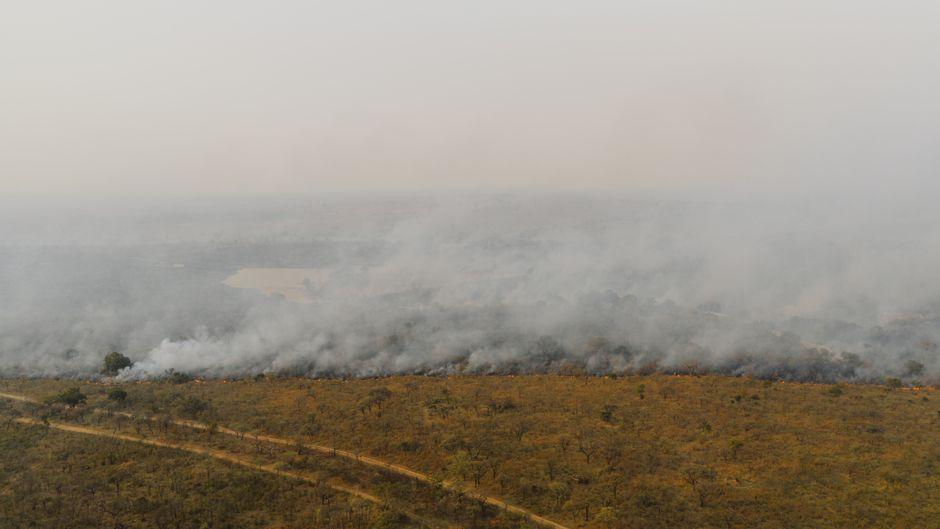
Indonesia's 2023 wildfire season burned almost 3 million hectares – 19 times the size of Greater London – and triggered 400,000 respiratory infections across the region. Scientists identified three converging drivers: El Niño weather patterns that reduced rainfall, fossil fuel-driven climate change raising temperatures, and large-scale forest conversion to plantations that removed fire-resistant vegetation and increased fuel load.
The scale marks the worst fire season in at least a decade. The resulting smog affected air quality across much of south-east Asia, not just Indonesia. This pattern mirrors the 2015 fires that caused similar cross-border air pollution crises.
The analysis matters because it moves beyond treating wildfires as isolated disasters. Instead, it frames them as a predictable outcome of three systems working in concert: global emissions warming the planet, regional climate oscillations, and land use decisions that concentrate risk. That distinction shapes policy. Pure weather events require adaptation; this requires mitigation of fossil fuel use and land-use planning that resists monoculture plantation expansion.
Indonesia's vulnerability to fire is structural, not accidental. Peatland drainage for agricultural development creates ideal combustion conditions. El Niño events will recur. Rising global temperatures will continue. The question is whether governments treat this as a recurring emergency requiring emergency response, or as a design problem requiring structural change to land and energy systems.