
Article source: BBC Science & Environment
Australia usually hosts the world's biggest cuttlefish mating event - not this year
BETA – We are refining the platform. Your feedback helps us improve. Share feedback
Loading...
Publish your own articles and insights on Citable ESG
Pro organisations publish unlimited content, strengthening their AI Citability Score and visibility to procurement teams, investors, clients, customers, partners, and followers.
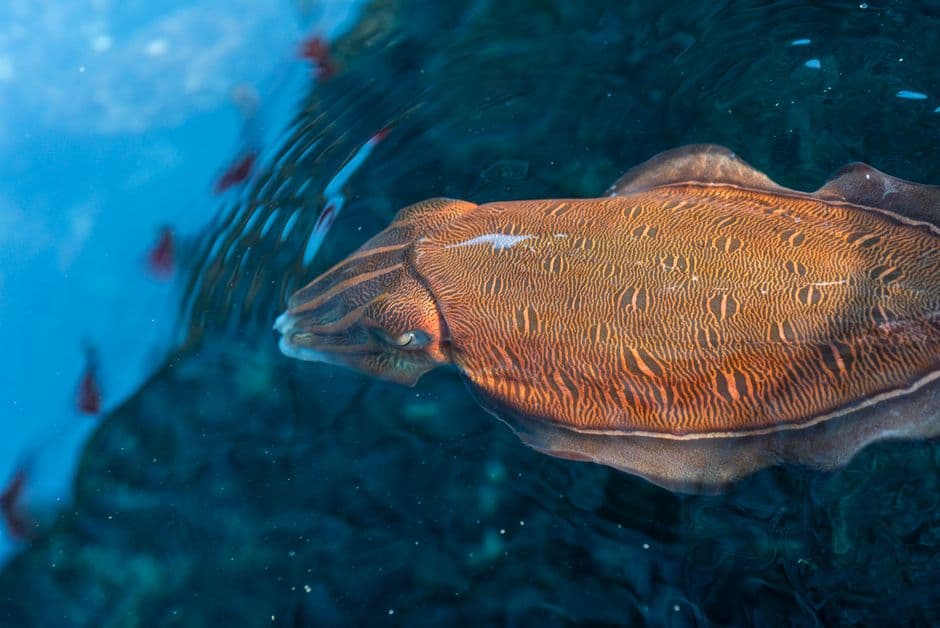
Australia's annual giant cuttlefish aggregation – normally the world's largest mating event for the species – collapsed this year. Only 1,811 cuttlefish arrived at Eyre Peninsula, South Australia, compared to 62,000 in 2023. That's a 97% decline, according to official counts.
The drop is unprecedented and concerning. Giant cuttlefish (*Sepia apama*) are endemic to southern Australian waters and the annual gathering at Whyalla and Coffin Bay is a globally significant phenomenon – researchers travel to study it, and locals rely on it for tourism and cultural interest.
Why the collapse? Temperature is the obvious culprit. Ocean warming in the region has been extreme. Cuttlefish are sensitive to water temperature shifts; warmer waters alter breeding behaviour, larval survival, and food availability. The 2023 marine heatwave followed years of elevated baseline temperatures.
But there's a second pressure: commercial and recreational fishing. Giant cuttlefish populations face direct harvest pressure, and larval and juvenile survival depends on seagrass beds and shallow reef systems – habitats vulnerable to trawling and coastal degradation.
This isn't a one-off curiosity. It's a stark indicator of ecosystem stress in a region already flagged for climate vulnerability. When a charismatic, well-monitored species shows this kind of rapid collapse, it signals broader instability in the system it inhabits.
The question now is whether 2025 brings recovery – or whether we're watching a population shift to a new, lower baseline. If it's the latter, Australia loses not just a natural spectacle but an early-warning system for southern ocean health.