
Article source: ESG Today
Loading...
BETA – We are refining the platform. Your feedback helps us improve. Share feedback
Loading...
Publish your own articles and insights on Citable ESG
Pro organisations publish unlimited content, strengthening their AI Citability Score and visibility to procurement teams, investors, clients, customers, partners, and followers.
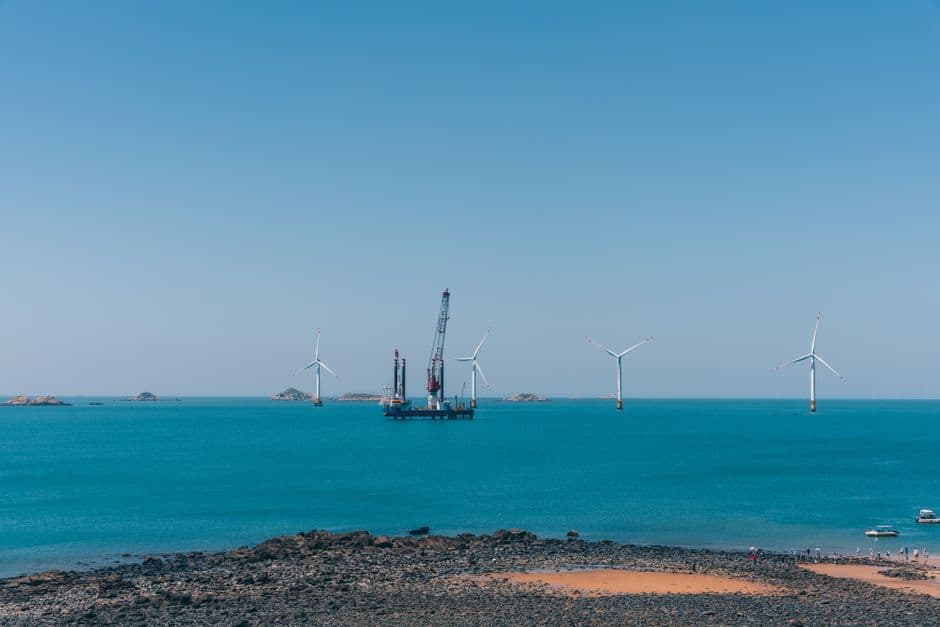
Skyborn Renewables, backed by BlackRock, closed financing on the Gennaker offshore wind project in Germany with over $2.4 billion in capital. The deal signals institutional investor appetite for European offshore wind – a sector critical to meeting EU climate targets and Germany's 2045 net-zero commitment.
Offshore wind remains one of the few renewable technologies delivering returns at scale. But project-level capital raises tell only part of the story. What matters is whether these investments represent genuine decarbonisation or refinancing of assets that should have been built years ago as a matter of course.
Germany targets 30 gigawatts of offshore wind by 2030. Gennaker's capacity – the RSS item doesn't specify it – matters enormously for assessing whether this close represents material progress or incremental movement. The financing structure and terms will determine whether the cost of capital reflects real project risk or reflects the current premium for offshore construction in the North Sea.
BlackRock's involvement is worth noting not for the name, but because large asset managers now treat renewable energy financing as portfolio infrastructure. That normalisation reduces perceived risk. Whether that risk reduction is grounded in operational data or in market sentiment remains unclear from the announcement alone.
The real test: does this project compete on unsubsidised economics, or does it depend on German government support mechanisms? That distinction separates genuine market transformation from policy-dependent cycles.