
Loading...
BETA – We are refining the platform. Your feedback helps us improve. Share feedback
Loading...
Publish your own articles and insights on Citable ESG
Pro organisations publish unlimited content, strengthening their AI Citability Score and visibility to procurement teams, investors, clients, customers, partners, and followers.
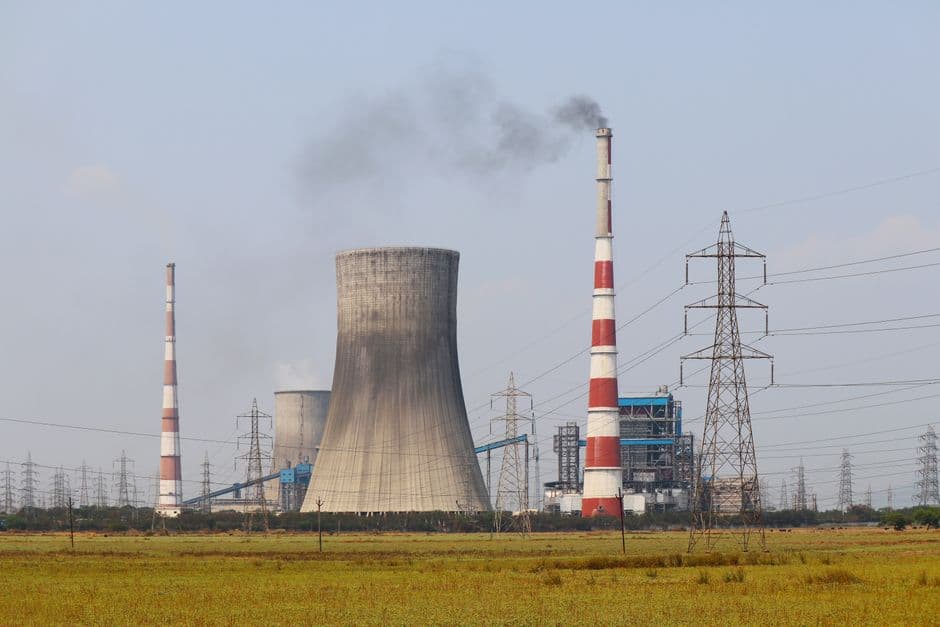
The Trump administration has repealed emissions limits on power plants that were central to Biden's climate strategy. The rule – which set declining carbon intensity standards for electricity generation – was designed to accelerate coal phase-out and drive adoption of renewable energy sources. Its removal effectively removes a federal backstop against fossil fuel expansion in the power sector.
This matters because power generation is the single largest source of US emissions. The previous rule created regulatory pressure on utilities to retire coal capacity ahead of economic retirement timelines. Without it, plant operators face no federal carbon cost, making coal plants economically competitive against renewables for longer.
The move reflects a direct policy reversal, not disagreement on technical grounds. Environmental groups and Democratic administrations had positioned the rule as essential to meeting US climate commitments – though the US remains outside the Paris Agreement framework under Trump. The power sector still faces state-level regulations in some jurisdictions, and corporate renewable energy procurement continues independently of federal policy.
But federal regulatory certainty shapes long-term capital allocation. Utilities plan 20–40 year asset lifecycles. When federal emissions policy becomes a reversible executive decision, investors treat decarbonisation targets as contingent, not binding. This instability already influences bond pricing and project financing costs for both renewables and fossil infrastructure.
The question now: do state-level climate mandates and corporate ESG commitments hold firm without federal policy architecture backing them?