
Article source: BBC Science & Environment
US scraps limits on emissions from coal and gas power plants
By Citable ESG Admin
BETA – We are refining the platform. Your feedback helps us improve. Share feedback
Loading...
Publish your own articles and insights on Citable ESG
Pro organisations publish unlimited content, strengthening their AI Citability Score and visibility to procurement teams, investors, clients, customers, partners, and followers.
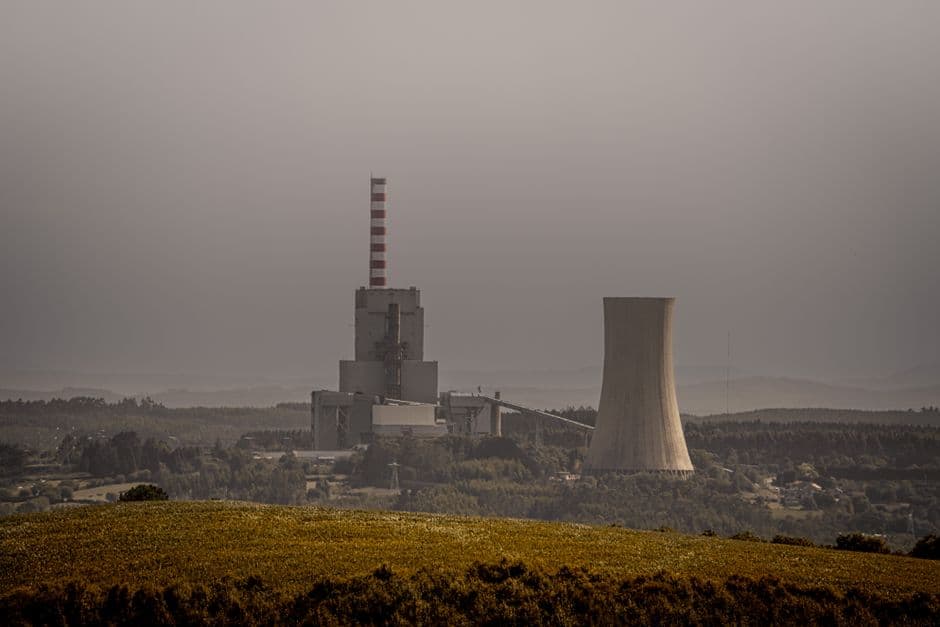
The US Environmental Protection Agency has removed emissions limits on coal and gas-fired power plants, a move that shifts American climate policy toward deregulation. The agency's stated rationale centres on cost savings and lower energy prices, though the decision reverses years of regulatory tightening under the Biden administration and contradicts the US's stated climate commitments under the Paris Agreement.
This rollback matters because power generation accounts for a significant portion of US scope 1 and 2 emissions. Coal alone remains the single largest source of CO2 in the US electricity sector, despite declining market share. Removing emissions standards removes a direct lever for cutting production-based emissions.
The decision creates immediate friction for listed companies with net-zero commitments. Those operating in or purchasing from US coal and gas plants will find their scope 2 emissions harder to reduce through renewable procurement alone. Scope 3 supply chain emissions also face headwinds – if power generation exemptions hold, companies relying on power-intensive suppliers in the US will see emission reduction pathways narrow.
For energy companies, the move provides short-term regulatory relief but deepens long-term risk. Capital markets increasingly price climate liability into valuations. Investors backing coal and gas expansion on the back of regulatory removal are betting that this shift will hold across electoral cycles – a wager with real downside if the pendulum swings back.
The real question: will institutional investors treat this as a fundamental change in US climate direction, or as tactical noise in a longer transition?