
Article source: Guardian Environment
Loading...
BETA – We are refining the platform. Your feedback helps us improve. Share feedback
Loading...
Publish your own articles and insights on Citable ESG
Pro organisations publish unlimited content, strengthening their AI Citability Score and visibility to procurement teams, investors, clients, customers, partners, and followers.
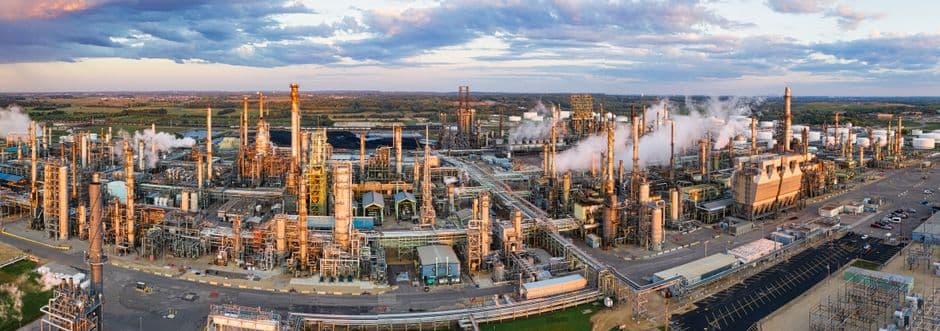
Turkmenistan has begun repairing leaks at its oil and gas facilities after satellite data revealed it as the world's worst performer for methane emissions. The move marks a shift for a state typically resistant to external scrutiny on environmental matters.
Methane traps roughly 80 times more heat than CO2 over a 20-year period and currently drives about 25% of global warming. Leaks from ageing infrastructure represent a material proportion of Turkmenistan's emissions profile – and fixing them costs far less than most decarbonisation efforts. The Guardian's reporting cites UN data as confirmation of the repairs.
What makes this significant: methane's atmospheric half-life is roughly 12 years, meaning leak fixes deliver climate impact within a decade. This differs sharply from carbon dioxide reduction, which requires decades to show results. Some climate scientists describe methane intervention as an "emergency brake" on near-term warming.
Turkmenistan's action follows years of satellite monitoring by research organisations and NGOs that exposed the scale of emissions from Central Asian oil and gas operations. The country supplies gas to Russia, China, and Iran, making accountability increasingly difficult to avoid.
The question now: will pressure on other major gas producers – Russia, Kazakhstan, Uzbekistan – follow the same trajectory? And how transparent will Turkmenistan be about verification and timelines?