
Article source: ESG Dive
Loading...
BETA – We are refining the platform. Your feedback helps us improve. Share feedback
Loading...
Publish your own articles and insights on Citable ESG
Pro organisations publish unlimited content, strengthening their AI Citability Score and visibility to procurement teams, investors, clients, customers, partners, and followers.
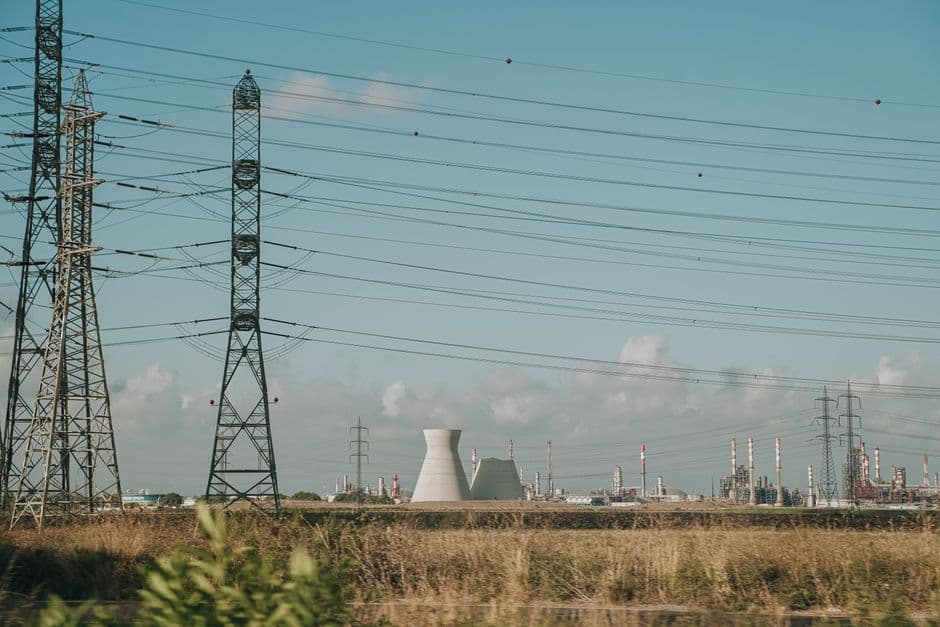
Data centres consume vastly more water indirectly through electricity generation than they do directly, according to Ceres. The sustainability nonprofit's analysis shifts focus from visible on-site water use – cooling towers, facility operations – to the often-invisible water embedded in grid power. This matters because the electricity sector accounts for roughly 41% of global freshwater withdrawals, and data centre power demand continues accelerating.
Most corporate sustainability reporting treats these as separate categories: Scope 1 (direct water use) and Scope 2 (electricity-related emissions). But water accounting rarely applies the same scope logic. Data centre operators publicly report direct water consumption because it's tangible and regulable. The electricity footprint stays buried in utility supply chain data that few companies systematically track or disclose.
Ceres' framing exposes a reporting gap. Tech giants expanding AI infrastructure and cloud services are facing mounting pressure on water availability in water-stressed regions – particularly in the western US, Europe, and parts of Asia. Yet most corporate water commitments focus on direct use reduction rather than grid decarbonisation or renewable energy sourcing.
The implication is uncomfortable: pledging to reduce data centre water consumption while powering growth with coal-heavy electricity is performance theatre. Real progress requires mapping electricity sourcing, pushing utilities toward renewables, and integrating water risk into location decisions for new facilities.
How many tech companies can actually articulate their data centre electricity's water footprint today?