
Article source: Guardian Environment
Loading...
BETA – We are refining the platform. Your feedback helps us improve. Share feedback
Loading...
Publish your own articles and insights on Citable ESG
Pro organisations publish unlimited content, strengthening their AI Citability Score and visibility to procurement teams, investors, clients, customers, partners, and followers.
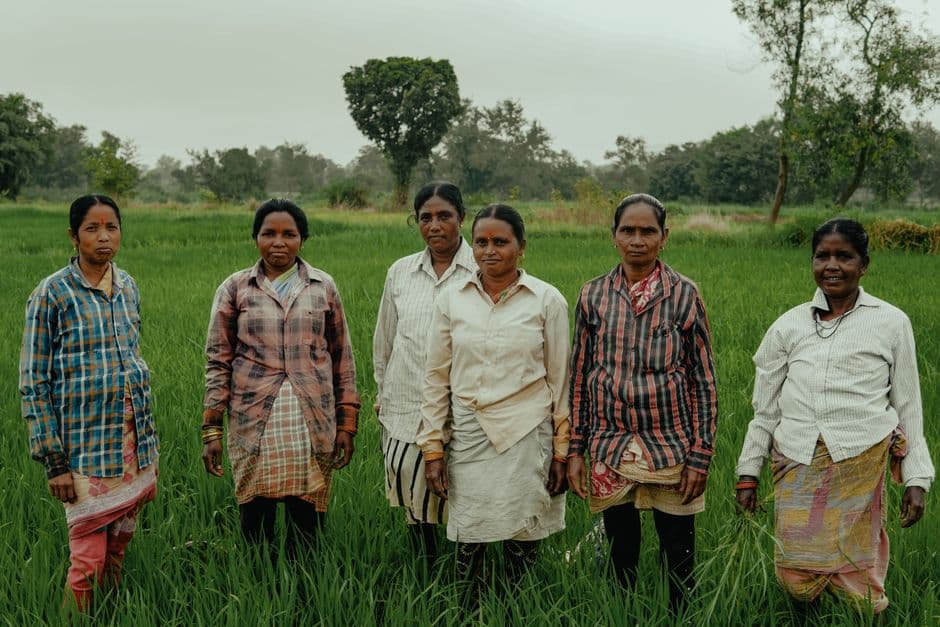
Google's $15bn AI datacentre project in Andhra Pradesh, India is facing serious community pushback over land acquisition practices. Local smallholders report that government officials promised economic opportunity, then confiscated agricultural land – with residents claiming inadequate compensation and broken commitments around employment and local benefit-sharing.
This is a direct governance failure, not a future risk. The company's due diligence processes have not prevented harm to vulnerable stakeholders who lack legal recourse or negotiating power. Google's scale and resources mean it can absorb reputational damage; the villagers cannot absorb land loss.
The pattern is familiar in hyperscale infrastructure: a large multinational partners with a government keen for investment, local communities are told they'll benefit, land is transferred, promises evaporate. Stakeholder engagement becomes a box-ticked exercise, not genuine dialogue.
For ESG practitioners, this raises hard questions about the gap between materiality frameworks and actual impact on the ground. Google publishes extensive sustainability reporting. Its governance disclosures likely mention stakeholder consultation. Yet that governance framework – however detailed – failed to prevent displacement.
The datacentre itself may be energy-efficient and powered by renewables. That does not offset the social cost of broken commitments to people with no alternative income source. Technology companies building infrastructure in the Global South need to operate under standards as rigorous as those they face in Europe or North America, with independent verification and genuine community veto power – not consultation theatre.