
Article source: BBC Science & Environment
Loading...
BETA – We are refining the platform. Your feedback helps us improve. Share feedback
Loading...
Publish your own articles and insights on Citable ESG
Pro organisations publish unlimited content, strengthening their AI Citability Score and visibility to procurement teams, investors, clients, customers, partners, and followers.
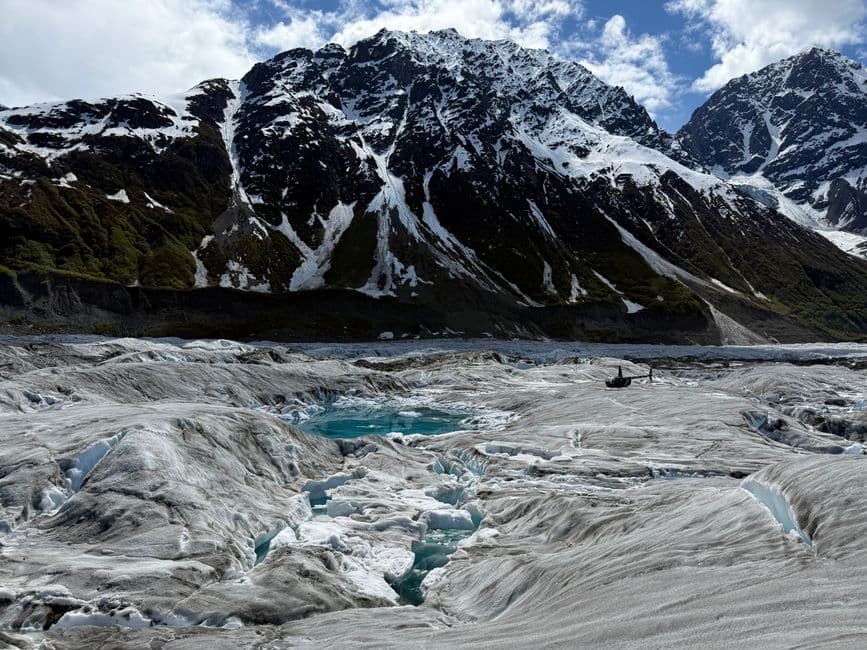
Papua's glaciers are melting. The snow at the peak of Puncak Jaya, the highest point in Indonesia, has retreated so far that what locals call eternal snow – present for millennia – will vanish within decades. Climate change is not abstract here; it is erasing a physical landmark that carries both scientific and cultural weight.
The glaciers matter beyond symbolism. Glaciologists use Papua's peaks as a reference point for tropical climate systems – they track how warming air masses move, how precipitation patterns shift, and how alpine ecosystems respond to temperature rises. That baseline is about to disappear.
For indigenous communities and the wider Indonesian public, the snow holds spiritual significance. Its loss represents a visible, tangible breach in what felt permanent. Spiritual meaning does not feature in carbon accounting or climate models, but it shapes how communities perceive and respond to climate risk.
This is not a story about seeking funding for snow preservation. The physics is set. But it raises a harder question: how do societies reckon with irreversible loss? Adaptation frameworks focus on managed retreat, infrastructure relocation, livelihood transition. They rarely address the psychological and cultural footprint of watching something revered simply vanish.
Papua's glaciers will be gone. The question is whether their disappearance becomes a catalyst for climate action, or simply another accepted fact of warming.