
Seahorse habitats 'healing' thanks to eco-moorings
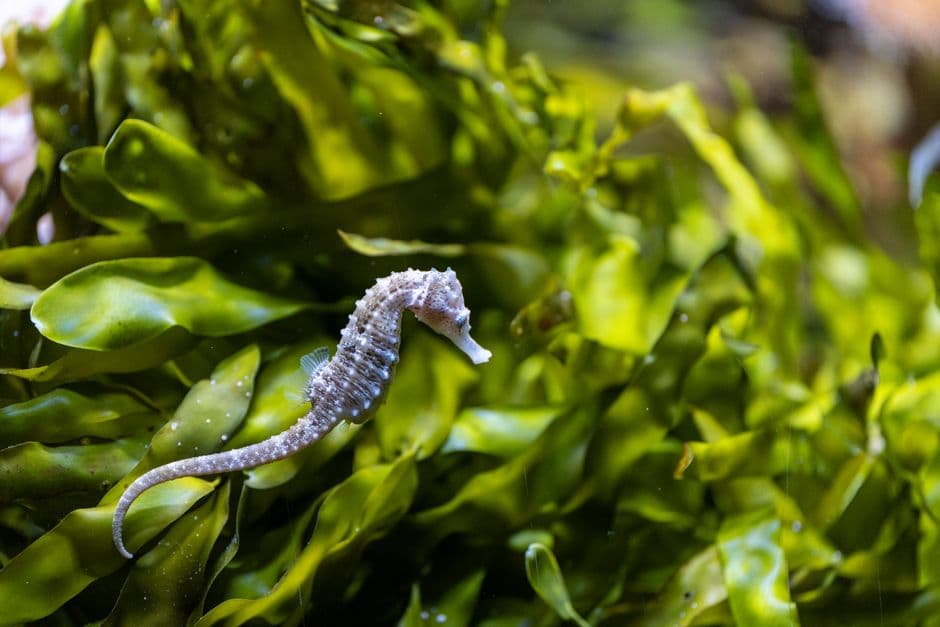
Studland Bay's seagrass meadows are recovering from anchor damage after the introduction of eco-moorings, according to a new study. The scars left by boat anchor chains – which can devastate seagrass beds that shelter seahorses and other marine species – are visibly healing where mooring buoys have replaced traditional anchoring.
Seagrass meadows are critical nurseries for commercially valuable fish species and carbon stores. Anchor chains scarring these habitats is a direct consequence of unmanaged recreational boating, and the damage compounds: disturbed seagrass takes years to regenerate, and repeated damage prevents recovery entirely.
The Studland Bay intervention demonstrates a straightforward principle: remove the cause, and nature rebuilds. Eco-moorings are fixed buoys that allow boats to tie up without dragging anchors across the seabed. This is not novel technology, but its deployment remains patchy across UK waters and globally.
The study's relevance here is practical rather than groundbreaking. It quantifies something marine conservation has understood for years – that physical protection works. The question is scale: Studland Bay is a single, well-monitored site with institutional backing. Hundreds of similar bays and estuaries across Europe lack equivalent protection or funding.
This matters for corporate supply chains, too. Businesses sourcing seafood or marine products from regions with unmanaged boating pressure operate in ecosystems under cumulative stress. Biodiversity metrics tied to procurement decisions should factor in habitat recovery status, not just species population counts.