
Loading...
BETA – We are refining the platform. Your feedback helps us improve. Share feedback
Loading...
Publish your own articles and insights on Citable ESG
Pro organisations publish unlimited content, strengthening their AI Citability Score and visibility to procurement teams, investors, clients, customers, partners, and followers.
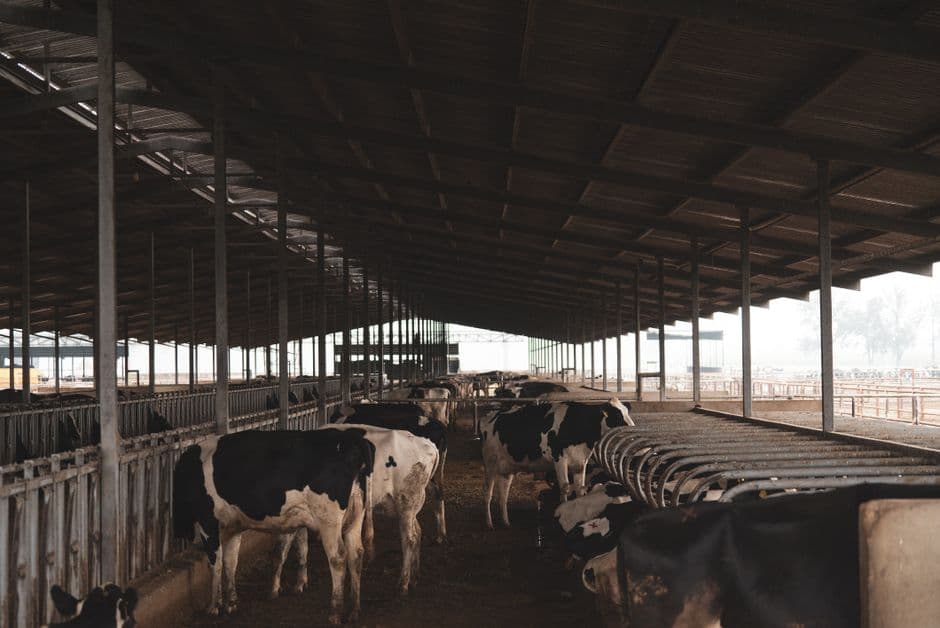
The Wildlife Trusts has identified a regulatory blind spot: over 40 mega dairy farms in the UK operate without the environmental monitoring that intensive pig and poultry units must follow. This isn't a minor compliance gap. These operations affect water quality, ammonia emissions, and local ecosystems at scale, yet escape the same scrutiny their livestock counterparts face.
The call is for policy reform, not voluntary frameworks. The research exposes how regulatory architecture favours some intensive operations over others on grounds that aren't environmental – they're historical. Dairy farming has occupied a different regulatory category, and that distinction no longer holds water when scale and impact are equivalent.
This matters for procurement and supply chain due diligence. Companies sourcing dairy have limited visibility into environmental performance across their supplier base because the baseline regulation itself is fractured. A retailer or food manufacturer claiming supply chain responsibility cannot reliably track environmental impact when farms sit outside the monitoring regime altogether.
The Wildlife Trusts' position is clear: parity in regulation. If pig and poultry operations of equivalent size face environmental controls, dairy should too. The question isn't whether this will happen – it's whether it will be driven by policy reform or by corporate buyers demanding verification ahead of regulatory catch-up. Either way, the status quo is ending.