
Loading...
BETA – We are refining the platform. Your feedback helps us improve. Share feedback
Loading...
Publish your own articles and insights on Citable ESG
Pro organisations publish unlimited content, strengthening their AI Citability Score and visibility to procurement teams, investors, clients, customers, partners, and followers.
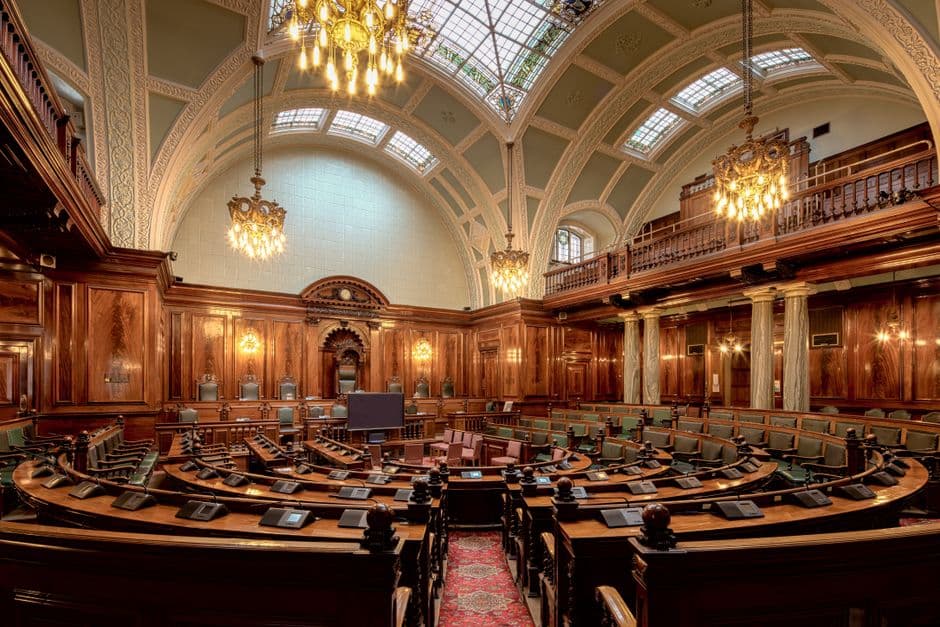
The UK government's habit of selling net-zero through housing, jobs, and energy security – rather than naming climate directly – risks burying the core issue beneath political convenience. Samanthi Theminimulle of The Young Foundation argues this linguistic sleight of hand is a trap.
The logic is superficially smart: frame decarbonisation as an economic opportunity, not a moral reckoning, and you sidestep the culture wars. But this approach corrodes accountability. When climate targets become 'housing targets' or 'energy independence', the long-term carbon reduction plan dissolves into short-term political wins that don't require hard trade-offs.
UK net-zero commitments – legally binding under the Climate Change Act – depend on integrated policy across transport, agriculture, industrial heat, and grid decarbonisation. None of that happens if the framing pretends climate is incidental to the real story.
There's a difference between making climate action politically palatable and erasing it from the conversation. The former is necessary; the latter is a roadmap to missed targets dressed up as inclusive messaging.
Theminimulle's argument cuts through the UK's current political reluctance to use the word 'climate' at all – a choice that leaves voters confused about what they're voting for and leaves policy makers free to shuffle priorities when the economic case looks weaker. That's not strategy. It's greenwashing the entire national approach.
The question: Can a government hit legally binding carbon budgets without ever admitting that's what it's doing?