
Article source: edie
Can Europe’s insurers keep up as wildfires drive rising climate losses?
By Citable ESG Admin
BETA – We are refining the platform. Your feedback helps us improve. Share feedback
Loading...
Publish your own articles and insights on Citable ESG
Pro organisations publish unlimited content, strengthening their AI Citability Score and visibility to procurement teams, investors, clients, customers, partners, and followers.
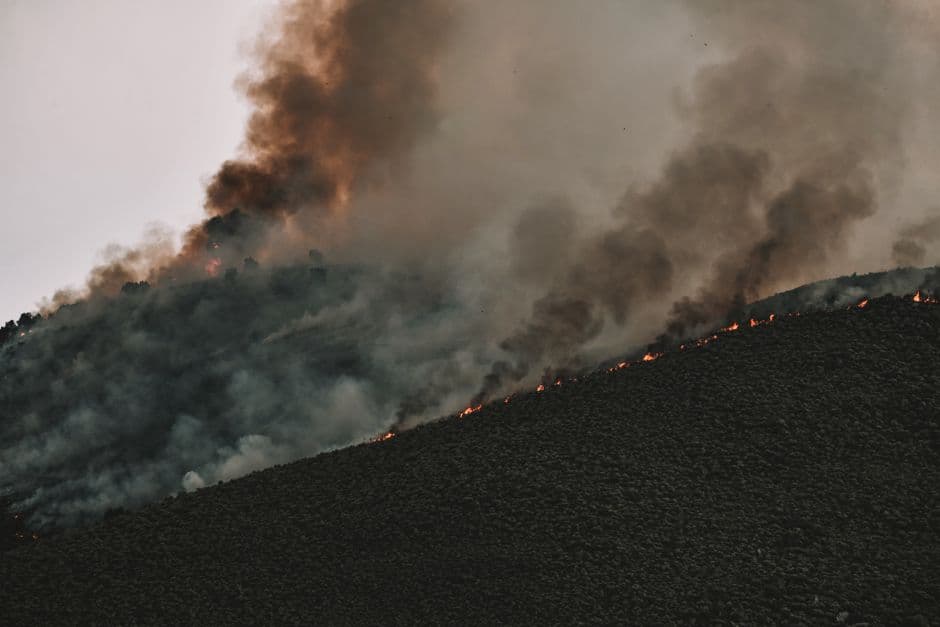
European insurers face a reckoning. Wildfires across France and Spain this summer are driving up demand for reinsurance coverage, according to Swiss Re – a signal that climate losses are outpacing the sector's risk models and capital reserves.
This is not a one-off event. Rising temperatures are extending fire seasons, intensifying individual incidents, and creating cascading losses that traditional insurance products weren't priced or designed to absorb. The result: protection gaps are widening across commercial and residential portfolios.
Swiss Re's observation matters because reinsurers are the shock absorbers of the insurance system. When they signal strain, it reflects real limits in how much risk the market can absorb at current pricing. That pressure is already visible: insurers are withdrawing from high-risk regions, raising premiums where they do offer coverage, and demanding higher capital requirements from their own reinsurers.
But here's the structural problem. Insurance responds to risk – it doesn't prevent it. Rising premiums in fire-prone areas punish existing residents and make new development uneconomic, yet neither outcome reduces the underlying hazard. That's why the piece flagges adaptation investment as essential, not optional.
The gap isn't just financial. It's political. Governments will need to fund or co-fund adaptation infrastructure – flood defences, forest management, building codes – because private insurance alone cannot price and distribute the full cost of climate change without creating uninsurable zones.
The question for insurers and regulators: how do you price products for a climate regime that historical data no longer predicts?