
Article source: edie
Carbon without borders: The UK-EU ‘landmark’ deal and what comes next
By Citable ESG Admin
BETA – We are refining the platform. Your feedback helps us improve. Share feedback
Loading...
Publish your own articles and insights on Citable ESG
Pro organisations publish unlimited content, strengthening their AI Citability Score and visibility to procurement teams, investors, clients, customers, partners, and followers.
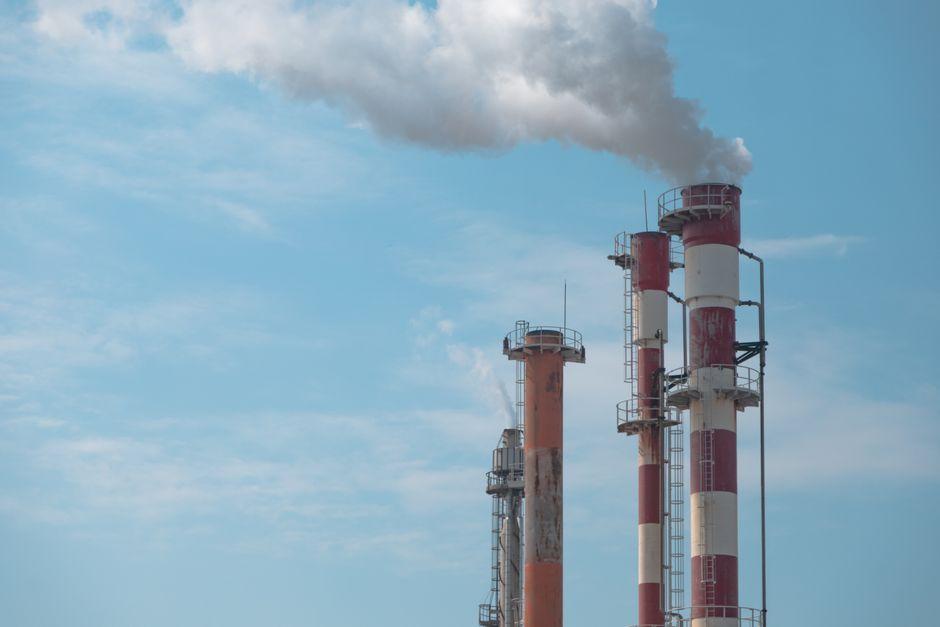
The UK and EU have linked their emissions trading schemes, a move designed to align compliance markets across the two economies. This matters because it reduces the arbitrage opportunities that allowed companies to play one market against the other – a structural problem that inflated carbon prices in one jurisdiction while depressing them in another.
But the voluntary carbon market remains a different beast. It is oversupplied, poorly regulated, and ridden with methodological weakness. Projects claiming to remove or avoid carbon have faced repeated scrutiny: additionality questions, permanence doubts, baseline manipulation. The result is a market where verified removals sit alongside claims that collapse under inspection.
The ETS linking agreement does not solve this. Compliance markets and voluntary markets operate under separate logic – one is mandatory and state-enforced, the other is contractual and buyer-dependent. The agreement tightens one; it leaves the other broken.
What happens next depends on whether removals become central to carbon accounting. If they do – and policy is moving that way – the voluntary market's credibility crisis becomes an operational crisis. Companies relying on removal credits to meet scope 3 targets or net-zero pledges will discover that the credits they bought lack the rigour demanded by evolving standards. If removals remain marginal, the market muddles on, losing trust incrementally.
The real question is whether policy will force integration, or allow the two markets to remain separate ecosystems with different standards and different levels of fraud.