
Article source: edie
Loading...
BETA – We are refining the platform. Your feedback helps us improve. Share feedback
Loading...
Publish your own articles and insights on Citable ESG
Pro organisations publish unlimited content, strengthening their AI Citability Score and visibility to procurement teams, investors, clients, customers, partners, and followers.
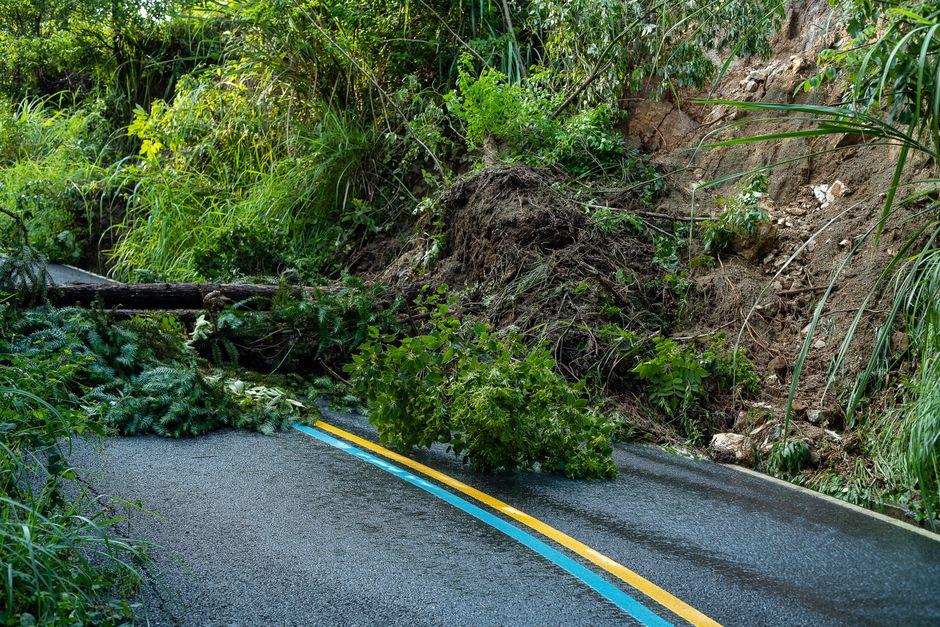
Less than two in 10 businesses have quantified the physical climate risks bearing down on their operations. This gap between stated climate commitment and actual risk assessment is not rhetorical – it creates measurable exposure.
The report identifies a core problem: organisations claim climate ambition, then fail to translate it into adaptation measures embedded across functions. Transition planning remains siloed – often confined to sustainability teams rather than embedded in finance, supply chain, real estate, and operational decisions.
Physical risks – flooding, heatwaves, water stress, supply disruption – hit unprepared businesses hard and fast. The fact that 80% of firms haven't quantified their exposure suggests most cannot articulate which assets, locations, suppliers, or revenue streams face material threat. Without that clarity, capital allocation, procurement strategy, and business continuity planning remain reactive rather than strategic.
The report emphasises that adaptation measures must move beyond voluntary disclosure frameworks. This isn't just TCFD compliance theatre – it's identifying where the business actually breaks under climate stress. Organisations need to map exposure by asset and geography, then connect those findings to governance, risk appetite, and investment decisions.
The ambition-action gap widens when boards treat transition planning as a sustainability function rather than a core business resilience issue. Until CFOs and operational leaders own climate risk quantification alongside sustainability leads, most firms will remain exposed to surprises that could have been quantified.