
Article source: BBC Science & Environment
Loading...
BETA – We are refining the platform. Your feedback helps us improve. Share feedback
Loading...
Publish your own articles and insights on Citable ESG
Pro organisations publish unlimited content, strengthening their AI Citability Score and visibility to procurement teams, investors, clients, customers, partners, and followers.
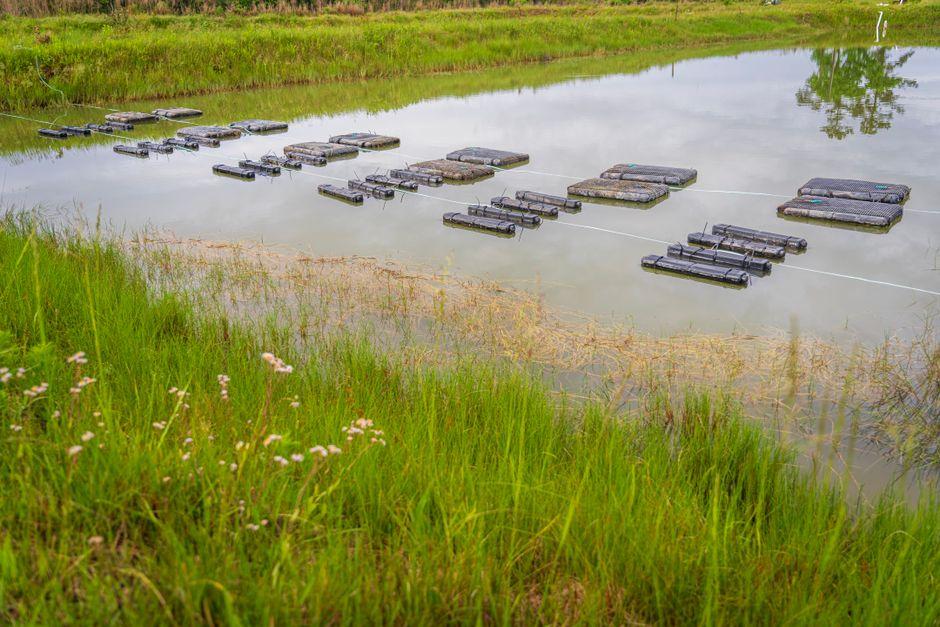
Glasgow has planted floating nature islands across five parks as part of its Commonwealth Games legacy. The islands are designed to provide habitat for wildlife and filter water quality in the urban landscape.
Floating islands – constructed structures anchored in water and planted with native vegetation – work by allowing plant roots to filter sediment and nutrients from water bodies. They're a relatively low-cost intervention compared to conventional water treatment or habitat creation, though their effectiveness depends on maintenance, plant selection, and local conditions.
The project sits within a broader trend of using nature-based solutions in urban planning. Cities from Copenhagen to Singapore have deployed similar approaches, though results vary significantly. Some installations thrive; others underperform when maintenance falters or plant species prove unsuitable for local conditions.
What's striking here is the scale: five parks suggests Glasgow is treating this as infrastructure, not tokenism. That's the right instinct. But the question hanging over such projects is durability. How long will these islands function? Who maintains them? Will they deliver measurable biodiversity gains, or become Instagram-friendly set dressing that deteriorates within two seasons?
The Commonwealth Games often leave behind mixed legacies – some venues become white elephants, others catalyse real change. For this initiative to avoid the former, Glasgow needs to publish maintenance schedules, baseline ecological surveys, and three-to-five-year outcome targets. Without that transparency, it's habitat theatre, not habitat restoration.