
Article source: Guardian Environment
Loading...
BETA – We are refining the platform. Your feedback helps us improve. Share feedback
Loading...
Publish your own articles and insights on Citable ESG
Pro organisations publish unlimited content, strengthening their AI Citability Score and visibility to procurement teams, investors, clients, customers, partners, and followers.
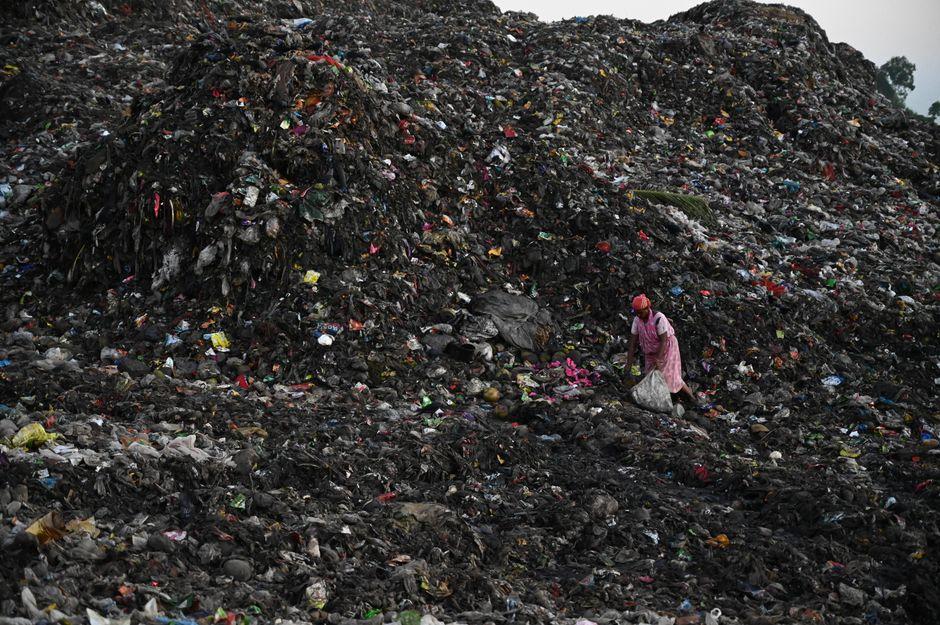
Faulty electrical goods returned to Tesco, Argos, and Asda have been found at Agbogbloshie, one of the world's largest e-waste dumps, in Accra, Ghana. A joint investigation by Unearthed and Greenpeace Africa documented the discovery. Workers at the site dismantle and burn the items – often without basic protective equipment like masks – to extract metals and components.
This isn't a supply chain accident. It's a systemic failure. UK retailers accept returned faulty appliances as part of their consumer guarantee obligations, but those goods disappear into opaque logistics networks. The retailers claim they don't know where the items end up. That claim doesn't hold up when journalists find them on a specific dump.
The Basel Convention restricts e-waste export from developed to developing nations, but enforcement is weak. Items are often reclassified as "used goods" rather than waste, skirting the rules entirely. Agbogbloshie's informal workforce – predominantly young men and women – absorbs the health and environmental cost: respiratory damage, chemical burns, soil and water contamination.
This isn't about individual retailer villainy. It's about an industry structure that outsources responsibility. Take-back schemes sound responsible until you trace what "responsible" actually means on the ground. The retailers' due diligence processes clearly aren't catching this.
The question now is whether voluntary corporate accountability will close the gap, or whether regulators in the UK and EU will mandate it.