
Article source: Guardian Environment
Cop31 host urges wealthy countries to spend ‘much more’ on climate than defence
By Citable ESG Admin
BETA – We are refining the platform. Your feedback helps us improve. Share feedback
Loading...
Publish your own articles and insights on Citable ESG
Pro organisations publish unlimited content, strengthening their AI Citability Score and visibility to procurement teams, investors, clients, customers, partners, and followers.
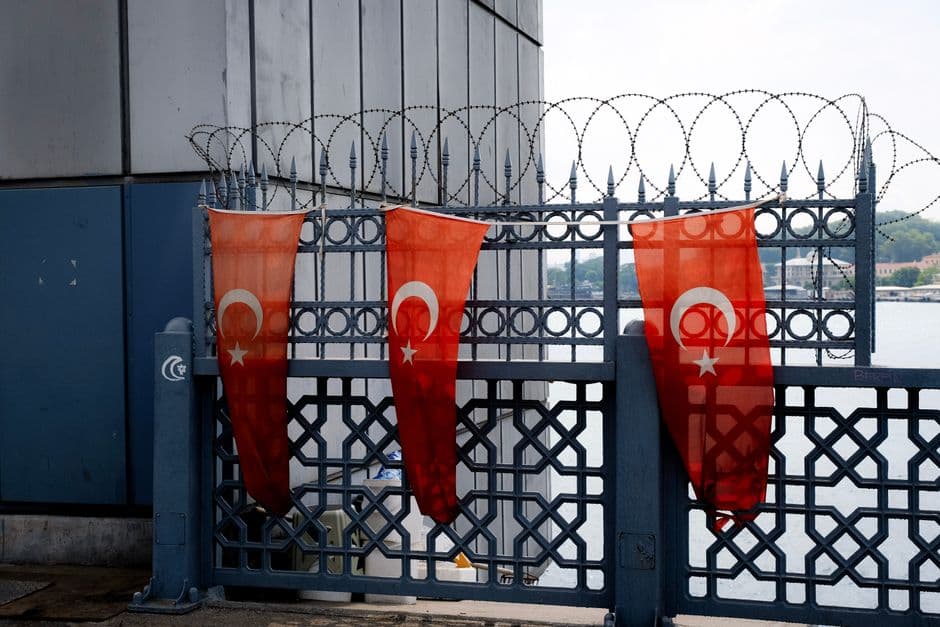
Turkey's Cop31 president-designate Murat Kurum told delegates at a Pacific pre-Cop summit that wealthy nations must redirect spending from defence budgets to climate action, framing climate as a security issue outweighing military expenditure. Nato members commit 5% of GDP to defence; Kurum argues climate finance deserves equivalent or greater commitment. The statement arrives amid tension over fossil fuel language. Kurum hedged on whether Cop31 will repeat last year's Glasgow commitment to "transition away from fossil fuels" – the central driver of atmospheric CO2 rise. That ambiguity matters. A walkback on fossil fuel language would weaken the treaty's core mechanism and signal retreat from the only UN climate agreement to name the problem directly. Kurum's reframing of climate as security is strategically sound; it appeals to defence-focused governments and justifies budget reallocation without asking for net spending increase. But it also depoliticises the issue – treating climate as a technical threat rather than a system failure rooted in energy policy choice. Whether Turkey uses its presidency to push for binding emissions reduction targets or dilute them remains the real question. The next month will reveal whether Kurum's security framing masks retreat on the substance.