
Article source: Guardian Environment
Loading...
BETA – We are refining the platform. Your feedback helps us improve. Share feedback
Loading...
Publish your own articles and insights on Citable ESG
Pro organisations publish unlimited content, strengthening their AI Citability Score and visibility to procurement teams, investors, clients, customers, partners, and followers.
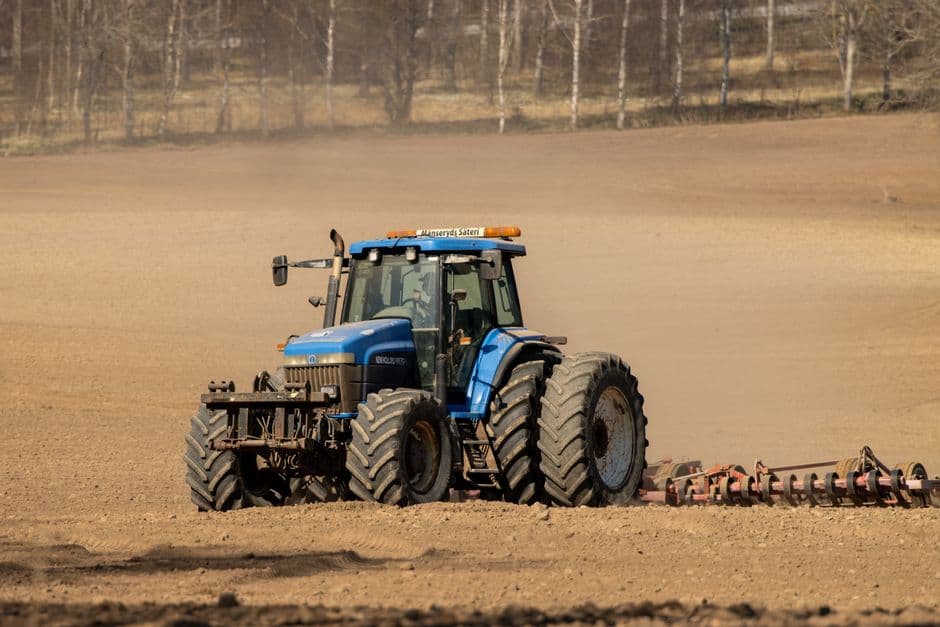
UK farmers are signalling a genuine threat to domestic food security – not through catastrophism, but through a straightforward economics problem: they can't finance production. Jamie Burrows, an arable farmer in Norfolk, articulates the core issue plainly: productive, efficient operators lack the capital to plant crops. This isn't a weather story or a bad harvest narrative. It's a structural vulnerability in the supply chain that large retailers and food processors have either overlooked or chosen to ignore.
The pressure stems from multiple directions. Input costs remain elevated. Retail margins compress. Farmgate prices lag behind inflation. Banks have tightened lending criteria. The result: capable producers face operational collapse not because they're inefficient, but because the economics no longer work at scale.
This matters for ESG-focused supply chain due diligence because food security sits at the intersection of three material risks. First, it's a direct operational risk for any organisation dependent on UK agricultural supply – and most are. Second, it's a social stability issue; rural employment and community viability deteriorate as farms fail. Third, it's a governance problem: the current system punishes efficiency rather than rewarding it, suggesting market failure that policy hasn't addressed.
For procurement teams, this signals an immediate exposure: the suppliers you depend on may not survive the next planting cycle. For investors in food companies or retailers, it's a going-concern flag. For policy makers, it's evidence that sustainability transition frameworks can't abstract from the cash-flow realities of those implementing them.
The question isn't whether UK farms will survive – some will. It's how many capable operations will exit before the system corrects.