
Article source: Guardian Environment
Loading...
BETA – We are refining the platform. Your feedback helps us improve. Share feedback
Loading...
Publish your own articles and insights on Citable ESG
Pro organisations publish unlimited content, strengthening their AI Citability Score and visibility to procurement teams, investors, clients, customers, partners, and followers.
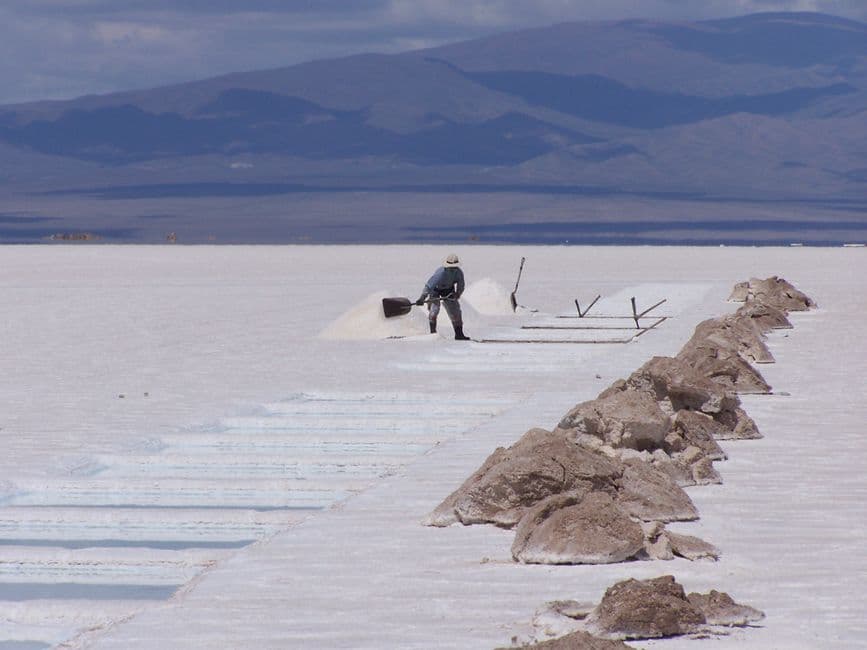
Lithium extraction in Chile's Atacama desert exposes the contradictions embedded in green energy transition narratives. The mineral is essential to battery technology and climate decarbonisation targets – yet its production in the salt flats comes with steep environmental and social costs that receive minimal scrutiny in Western net-zero commitments.
Thea Riofrancos, writing from the Chilean altiplano, frames the Atacama as a case study in extractive green capitalism: the logic by which climate solutions are built on the same resource extraction patterns that have historically enriched the Global North whilst concentrating harm in the Global South. Lithium mining depletes aquifers in an already water-stressed region, affects local communities dependent on those water sources, and shifts environmental burden rather than reducing it.
This is not a rejection of electrification or renewable energy. It is a rejection of the framing that positions these technologies as climate solutions without naming their dependencies. Companies and governments pursuing net-zero targets by 2050 or 2045 routinely exclude Scope 3 emissions – including extraction, processing, and end-of-life disposal of raw materials – from their accounting. The result: lithium mining remains peripheral to climate policy even as demand accelerates.
The piece challenges procurement leaders and sustainability teams to interrogate whether their supply chain due diligence extends to material extraction, or whether it stops at the factory gate. It also raises a harder question: whether climate targets can be decoupled from justice frameworks, or whether doing so is simply colonialism rebranded.