
Loading...
BETA – We are refining the platform. Your feedback helps us improve. Share feedback
Loading...
Publish your own articles and insights on Citable ESG
Pro organisations publish unlimited content, strengthening their AI Citability Score and visibility to procurement teams, investors, clients, customers, partners, and followers.
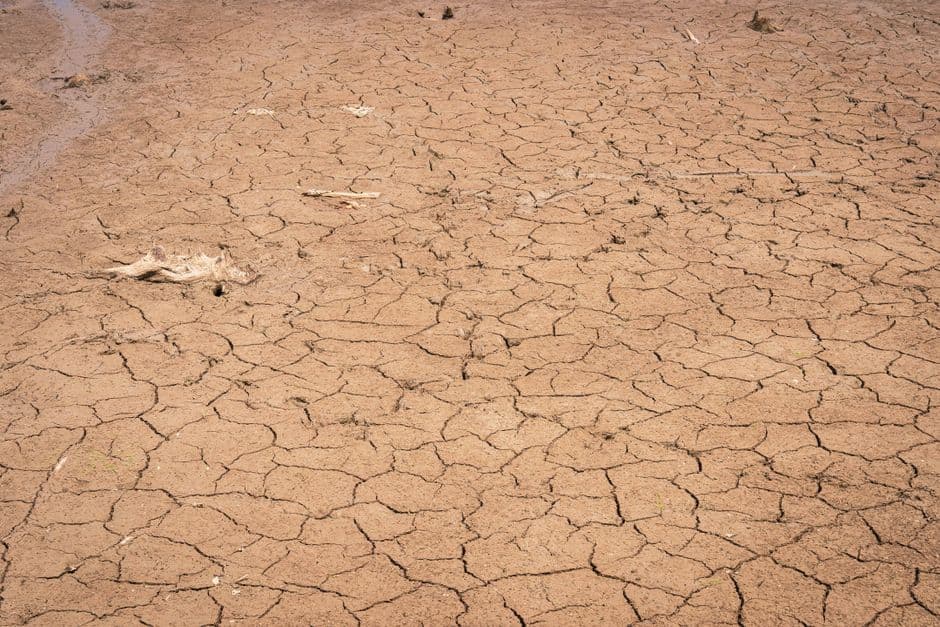
New Mexico's Pecos River is caught between two escalating pressures: climate-driven drought and intensive oil and gas extraction in the Permian Basin. The river, already stressed by aridification across the Southwest, now runs through one of America's most productive oilfields – a landscape where water demand from petroleum operations compounds the hydrological crisis.
Climate change is systematically reducing snowmelt and rainfall across the region. Simultaneously, oil and gas production in the Permian requires vast quantities of water for hydraulic fracturing and cooling operations. The Pecos, already over-allocated by competing agricultural and municipal claims, faces mounting pressure from both drought intensity and industrial extraction.
This isn't a new problem, but it's intensifying. The river's flow has declined measurably over recent decades; the Permian Basin's expansion has accelerated. State water managers are navigating an impossible arithmetic: allocating a shrinking resource across agriculture, municipalities, ecosystems, and energy production. Energy companies operating in the basin aren't unique in their water dependency – but their operations are incompatible with a drying climate unless extraction patterns and water-use efficiency shift fundamentally.
The story exposes a structural mismatch. Climate projections suggest further aridification; Permian production continues to expand. Current water governance assumes stable or predictable hydrology – an assumption that no longer holds. Without intentional reallocation or dramatic efficiency gains, the Pecos will face ecological collapse, agricultural failure, or energy curtailment. Likely all three.
The question isn't whether this tension exists. It's whether energy companies, state regulators, and downstream users will acknowledge it publicly – and act on it.